
Menopause relaxation techniques can improve your sleep and reduce discomfort from other symptoms. Menopause varies widely among women. Some have it easy, while others experience almost every menopause symptom. Relaxing seems impossible when you must contend with several emotional and physical changes.
In addition, you might have kids in college, a divorce in the making, retirement plans, and other stressful things to handle every day. Regardless, women should attempt to achieve relaxation amid their menopause symptoms and life issues.
If they fail to do that, their menopause symptoms might cause more discomfort. How can a menopausal woman enter a deep state of rest and forget her problems? Keep reading to discover how to relax during menopause.
Menopause Relaxation Techniques – 10 Ways to Feel Better
Menopause triggers depression and anxiety in most women. The hormonal changes experienced all through perimenopause and menopause tend to increase cortisol levels in the body. Cortisol is the hormone that triggers stress.
Research shows that one in four menopausal women feel anxious. The most popular signs of anxiety at menopause are fear, tension, nausea, breathing difficulties, palpitations, shaking, fatigue, dizziness, excessive sweating, and muscle aches. Increased stress levels during menopause can worsen your symptoms.
For instance, your mood swings can skyrocket, causing you to start unnecessary fights with your loved ones, bosses, neighbors, strangers, etc. As stress and depression are typical menopause signs, it is upon you to choose not to suffer. Below are eight menopause relaxation techniques you can try to feel better:
1. Hormone Replacement Therapy
Generally, menopause should end in twelve months with no menstrual period. Most women transition to the postmenopausal phase with just a few of their menopausal symptoms. Even when symptoms persist, their severity is low. Unfortunately, a small percentage of women have menopause signs that seem to have no end.
These women need a medical form of relaxation to feel better. One of the top relaxation techniques for these women is hormone replacement therapy (HRT). It allows distressed women to address their most severe menopause symptoms with synthetic hormones.
HRT is a top way to deal with sleep disturbances during menopause. It can also stabilize your moods and manage your night sweats. Unfortunately, it might not work for women who have dealt with stroke, breast tumors, or blood clots in the past. So, discuss HRT with your healthcare expert to determine if its benefits outweigh the risks.
2. Relax by Breathing
Among the many menopause relaxation techniques you can try is breathing. Several of us are unaware of our breathing patterns and have never intentionally used them to relax. Before you practice breathing to calm down, find a distraction-free spot in your house.
Position your body in the most comfortable position and try not to think about your problems and pain. After that, try different kinds of breathing methods. Here is how to calm down via breathing:
- Rhythmic – Inhale gradually on a count of five. Then, exhale slowly in the same manner. As you breathe out, your body will relax. Focus your mind on this sensation to forget your menopausal stress.
- Visualized – Practice rhythmic breathing while visualizing your goal. In this case, your goal is to reduce stress from menopause symptoms. Thus, breathe in and out slowly while visualizing how great your life would be without tension and worry. You can even imagine yourself inhaling relaxation and exhaling worry.
- Deep – The deep breathing technique brings about intense relaxation and comfort. Inhale as much air as possible into your abdomen and hold it for a while. Exhale it slowly and enjoy the comfort it leaves behind.
- Progressive Muscle Relaxation – This type of breathing focuses on your entire body. Start with deep breathing and listen to your body aches as you exhale. The area at the back of your neck may feel tense, causing your head to ache. You can do head rolls once or twice without straining your neck muscles. Shoulder rolls can also help clear your upper body fatigue and tension. Roll them backward and then forward an equal number of times. Do safe exercises to loosen out your lower back. Continue that way until your whole body feels relaxed. Finish with another deep breath.
3. Music Therapy
Another of the leading menopause relaxation techniques is music therapy. This therapy type can help you relax if you have sleep disturbances. It can calm your nerves down and promote your sleep. There are some music genres you played before menopause that you cannot anymore because they might worsen your symptoms.
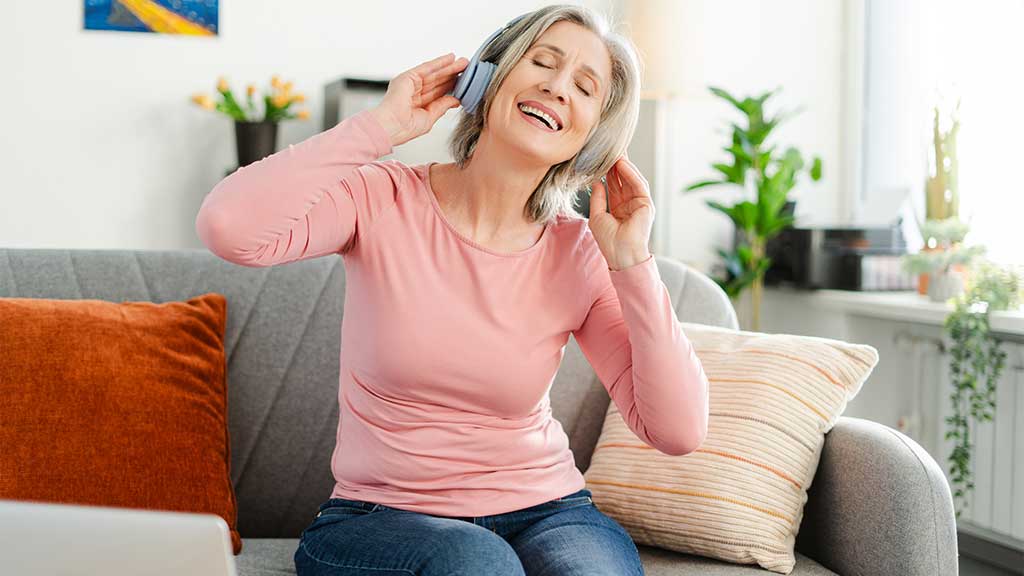
Recommended genres consist of songs that can relax your body in readiness for sleep. For instance, classical music tunes can soothe your mind and trick your body into sleeping like a baby. Another option is the relaxing rain sleep music.
Naturally, people sleep deeply when it is raining at night. You mimic a nap like this by listening to natural rain sleep music. Lastly, the soft instrumental music can lower your heart rate, stabilize your breathing, and send you into a deep state of rest.
4. Meditation
Meditation is an age-old way to relax. People have used it for centuries to unclog their minds and relax their bodies. It is one of the most effective menopause relaxation techniques for women. Although you lack the expertise of a monk, you can still try meditation and benefit from it.
The crucial thing is to concentrate. The longer you can keep your mind focused on nothing but relaxation, the more successful you can be. Different meditation approaches are out there, including body scan and mindfulness. Find one or more techniques that work for beginners. Meditation and breathing go together.
Therefore, learn to control your breathing patterns to succeed in meditation. Thoughts will bombard your mind even if you do not want it. However, meditation uses practice, determination, and discipline to keep the distracting thoughts away. Always choose a distraction-free area of your home, close your eyes, and use your imagination to shift from one state of mind to another.
5. Change Your Lifestyle and Behaviors
Menopause increases your risk of depression, cardiovascular conditions, osteoporosis, insomnia, etc. Once you reach menopause, you will realize that your current lifestyle might not work anymore. From this moment on, you must improve your diet as one of your menopause relaxation techniques.
Additionally, set the time for exercise because menopause might cause involuntary weight gain. Besides, poor food choices can increase your odds of accumulating bad cholesterol. High cholesterol levels can trigger cardiovascular issues, high blood pressure, and diabetes.

That is why you need to make lifestyle changes to give room to regular exercise and healthy food choices. Establish a sleep routine and use music therapy, meditation, and deep breathing strategies to sleep faster. Avoid using electronic devices before retiring to bed to sleep fast and better.
6. Create a Relaxing Ambiance at Home
What does your bedroom look like? Consider altering its décor as one of the menopause relaxation techniques that can promote your sleep. Some paint colors fit the bedroom better because they evoke a sense of relaxation. For instance, blue is calm and peaceful. White is pure and modest. These colors are perfect for your bedroom as they can promote relaxation and sleep.
Music should be part of your bedroom ambiance. So, listen to the music genres suggested earlier to relax and forget your misery. You do not have to repaint your bedroom. Instead, you can introduce a blue light, such as a neon sign. Use a timer that can fade your music when you fall deeply asleep.
7. Do Restorative Yoga
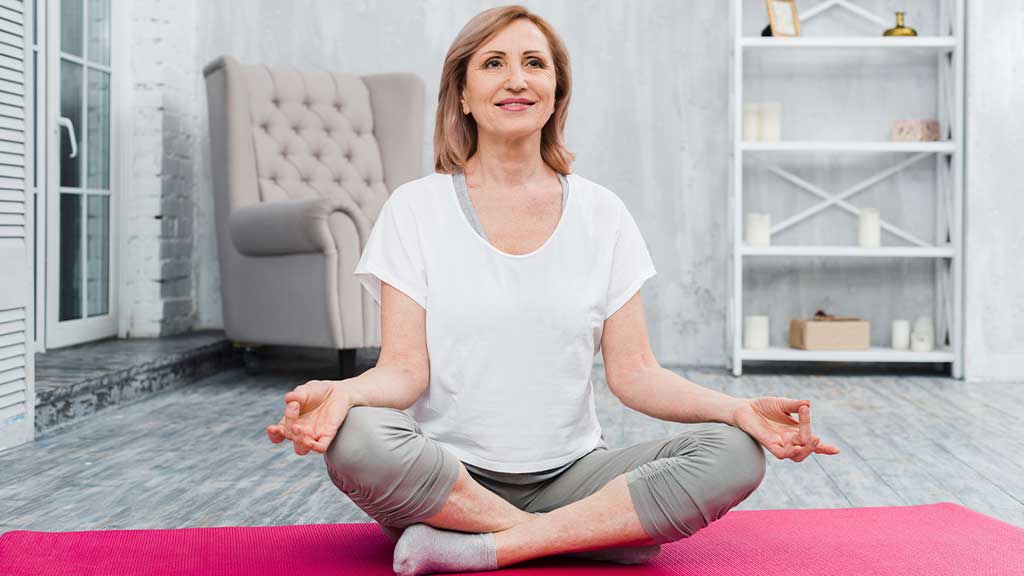
Like meditation, yoga is a popular way to drive stress out of the body. When going through menopause, you have enough stress to eradicate with yoga. You can do many yoga poses but the most effective for menopause is the restorative yoga poses.
These menopause relaxation techniques trigger the relaxation of the mind and body. Open YouTube and search for videos demonstrating this yoga type. Ensure you are fit physically to do these yoga poses to avoid worsening another part of your body. Yoga is a bodily exercise and you must do the poses only if you feel fit enough.
8. Use Aromatherapy Techniques
Aromatherapy menopause relaxation techniques are the most reliable ways to eliminate stress. In aromatherapy, therapists use essential oils known to have therapeutic properties. Some of the most dependable oil types for relaxation are chamomile, rose, lavender, and clary sage.
There are many ways to use them at home, including burning them in a burner, massaging your body with them, or adding them to your bathing water. The scents of these oils can cause intense mind and body relaxation.
9. Massage
Massage is an established way to remove strain from body muscles. It is among the top menopause relaxation techniques for calming down and healing your thoughts. Menopause is a leading cause of stress, constant fatigue, and pain. You can reduce this discomfort through deep tissue massage.
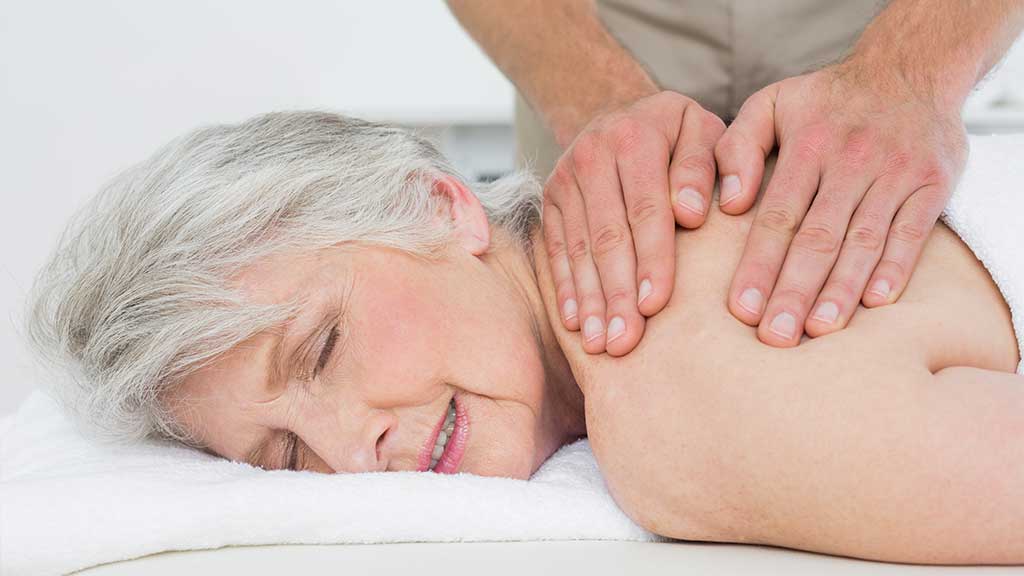
People usually sleep while undergoing massage. This demonstrates its ability to cause full-body relaxation. You can go to a spa that provides the best massage services to women. Enjoy having your body pressed, kneaded, and squeezed to release tension and stress.
10. Distract Your Mind with Art and Craft
Menopause relaxation techniques include creative arts and crafts activities. Instead of focusing on the pain, use your creativity to design an art and craft piece. Whether you want to draw, paint, crotchet, knit, sew, or cook, the activity will distract your mind from stress and pain.
Final Thoughts
There are many menopause relaxation techniques you can use to feel better. If your symptoms are too intense, consider speaking to your doctor about them. Then, relax and unwind using the techniques we have shared above. Start learning to breathe properly, as you will use it in methods like yoga and meditation.