
Certain symptoms and risks often linked to ageing can be hard to overcome. However, a healthy menopause diet plan may help ease most of the uncomfortable symptoms of menopause. Plus, a good diet can help reduce the risks of certain diseases that women are predisposed to during this phase of their lives. When it comes to the question of diet plans, it’s important to know what foods to eat during menopause and what to avoid. On top of that, maintaining consistency with your diet plans can help a great deal in managing your symptoms.
In this comprehensive guide, we explore the ins and outs of a menopause-friendly diet, covering what to load up on and what to cut back so you can confidently manage the uncomfortable symptoms.
Menopause and the Importance of a Healthy Diet
Menopause ranks among the top three phases when a woman’s body undergoes drastic changes that affect her quality of life. The other two are adolescence and pregnancy. Therefore, it’s important for her to support the changes she experiences during menopause, just as she does while pregnant. And one way of doing that is adjusting her diet and focusing on improving her overall well-being and health.
“As the oestrogen levels drop, the body is more vulnerable to conditions like heart disease, weight gain, and osteoporosis. So, a healthy menopause diet plan can help you mitigate these risks better,” says Nadira Awal, an experienced NHS GP and menopause health specialist at Pause & Co. Healthcare. To maintain healthy and strong bones, you need nutrients such as vitamin D and calcium. Healthy fats and fibre will help you manage your cholesterol levels as well as improve your heart health.
On the flip side, you need to reduce your intake of processed foods, excessive salt, and added sugars to help keep your weight gain and bloating in check. While doing all this, you need to also understand that eating well in your menopause doesn’t mean depriving yourself or sticking to strict diets. It’s about striking a balance and making thoughtful choices that support the changes your body is going through.
Foods To Eat During Menopause
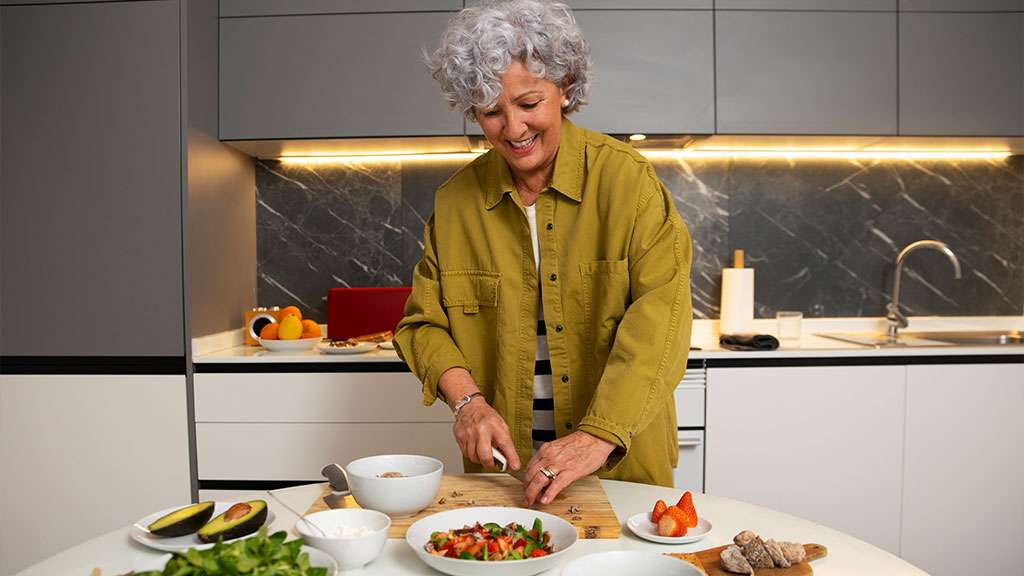
It’s been proven that certain foods can help in managing menopause symptoms like hot flashes, night sweats, low bone density, and sleep disturbance. Here are healthy foods that you should include in your menopause diet plan.
Whole Grains
Whole grains offer high-value nutrients that every woman needs in her entire life journey, not just during menopause. They contain nutrients like thiamine, riboflavin, niacin, and pantothenic acid, collectively known as vitamin B, which are important during menopause.
A whole grain-rich diet can help reduce the risks of cancer and heart disease. Women who consume plenty of whole grains like brown rice, oats, whole-wheat bread, and quinoa are at a lower risk of experiencing severe menopause symptoms. When shopping, look for foods with “whole grain” as the first item on the list of ingredients.
Leafy Greens and Vegetables
This category of foods is among the healthiest a woman can have during menopause. They come packed with minerals, antioxidants, and vitamins, hence should take at least half your plate during meals. Leafy greens and vegetables have been linked to numerous benefits for menopausal women. These include:
- Reducing hot flashes.
- Lowering blood pressure.
- Improved weight management
- Improved sleep
- Lower depression rates.
Some potent examples to consider include spinach, kale, Brussels sprouts, and broccoli. They’re loaded with magnesium, calcium, and vitamin K to support healthy bones. Since menopause also increases the risks of osteoporosis, these vegetables can help a lot in keeping your bones sturdy and strong.
Healthy Fats
Most people often associate fats with undesirable outcomes, but when it comes to menopause, not all fats are bad. Healthy fats, such as those from avocados, nuts, seeds, and oily fish are your best mate as they work wonders in keeping your heart healthy and hormones in check.
Omega-3 fatty acids, on the other hand, are great for reducing inflammation and boosting brain health. Mood swings are also common during menopause—a serving of salmon and a handful of walnuts are great for keeping your moods in control. They are also great for supporting skin health, which is a bonus when dealing with dryness.
Fruits
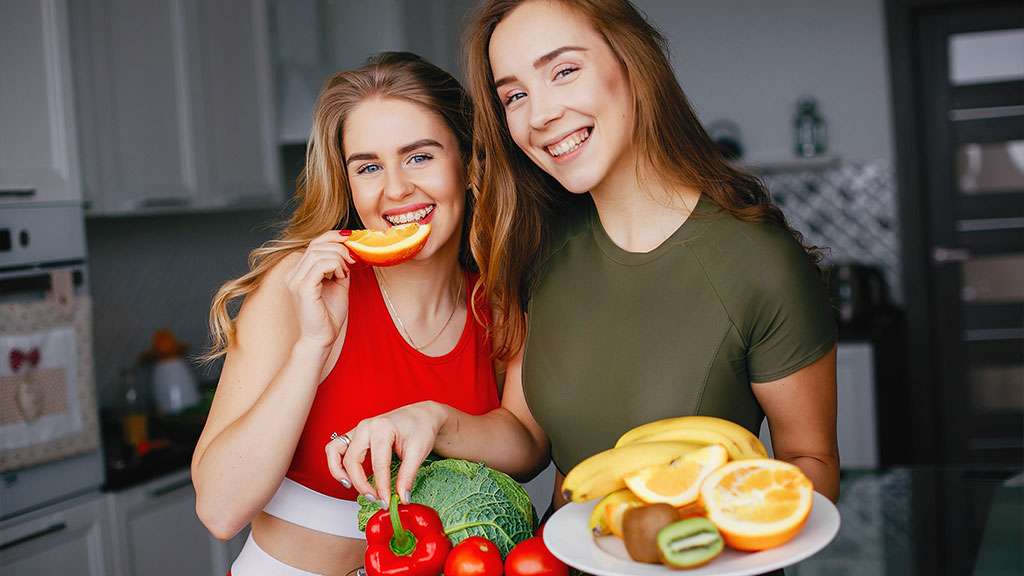
Another set of foods to eat during menopause is fruits. They’re nature’s sweet treats and offer a lot of good stuff that the body needs when undergoing menopause. From vitamins and fibre to minerals and antioxidants—they all come in colourful, juicy bites.
Berries, for instance, are one of the powerhouses of nutrition. They’re antioxidant-rich and can be effective in battling inflammation as well as support skin health. Pears and apples add a fibre boost that can help with digestion and manage weight. Let’s not forget about bananas, which are great for potassium needed to support heart health.
In your daily fruit dose, include oranges for vitamin C, watermelon to keep you hydrated, and a cheeky mango slice for a tropical vibe. Eating a bowl of fruit salad daily can brighten your mood and supply the essential nutrients you need to tackle menopause symptoms.
Dairy or Calcium-Rich Alternatives
During menopause, your risk of developing fractures tends to increase due to the dropping levels of oestrogen. So, supplementing your diet with dairy products like yoghurt, milk, and cheese can give you a sufficient supply of calcium, potassium, and magnesium needed for stronger bones.
If dairy products don’t agree with you, there are other alternatives to get your daily dose of calcium and other essential minerals. Plant-based options like tofu, almond milk, and fortified orange juice make great alternative sources of calcium. You can also include leafy greens like spinach and kale to get your supply of magnesium, which is also important for your bone health.
Water and Hydrating Foods
It’s easy to say that keeping the body hydrated is important than actually walking the talk. One of the symptoms of menopause is dryness, so staying hydrated means you support your body to fight dehydration. Drinking about 6 to 8 glasses of water a day can help significantly in fighting symptoms like hot flushes and dry, itchy skin.
Include hydrating foods like watermelon, cucumbers, and oranges in your menopause diet plan. They’re not only refreshing but burst with nutrients and are perfect for keeping your body and skin happy.
Quality Protein
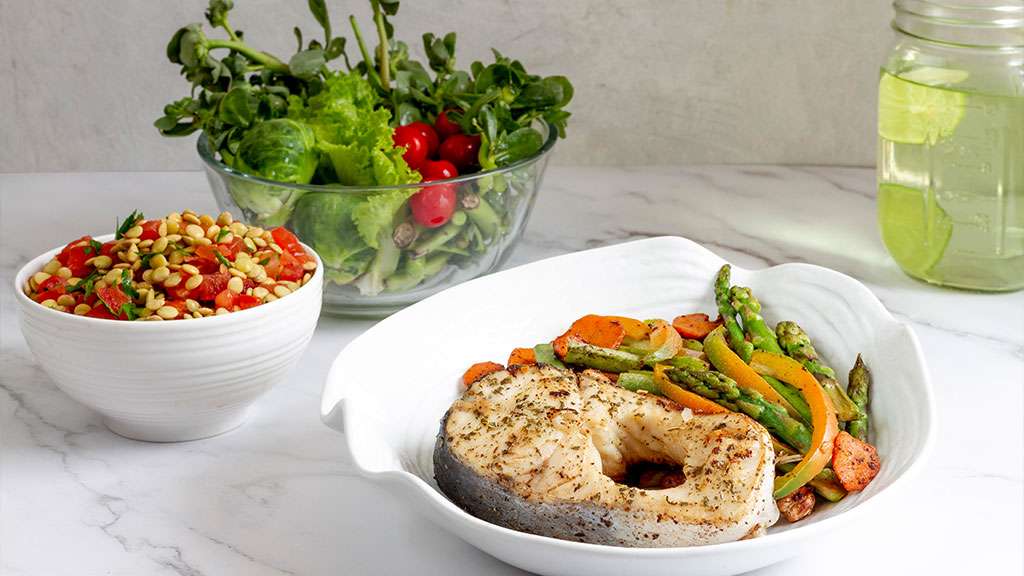
Protein is also an important nutrient during menopause, since the body naturally loses muscle mass due to dropping levels of oestrogen. To get your supply of quality proteins, consider foods like turkey, chicken, eggs, and fish. If you want a vegan alternative, go for lentils, quinoa, chickpeas, and beans. These foods are not only rich in proteins, but also have the bonus of fibre to boost digestion.
Proteins are important because they help you maintain your muscle strength, keep you feeling full for longer, and also support a healthy metabolism. A simple Greek yoghurt snack or hearty salmon fillet for dinner can go a long way in keeping your body strong and balanced.
Phytoestrogen-Containing Foods
Phytoestrogens may not be so familiar to everyone, but they’re one of the most important elements from nature that can help a woman during menopause. They’re plant-based compounds with almost a similar way of action as oestrogen in the body. During menopause, when your natural oestrogen takes a nosedive, these little wonders can help level things out.
A recent study has found that even though it’s good to include phytoestrogen-rich foods in your diet, they are more beneficial in postmenopausal health. They’re essential in lowering the risks of heart disease and maintaining healthy bones.
Some of the foods rich in phytoestrogens that you might include in your menopause diet plan include flaxseeds, lentils, and soy products. Tofu, soy milk, and a handful of edamame can also make simple but tasty additions to your food. Now, these are not miracle workers that can replace hormone therapy. However, they can make a real difference in managing menopause symptoms like hot flashes.
Foods to Avoid During Menopause
As much as food is an important factor in helping you fight the symptoms of menopause, not all are beneficial. Some of the foods to avoid during menopause include:
Processed Foods and Sugars
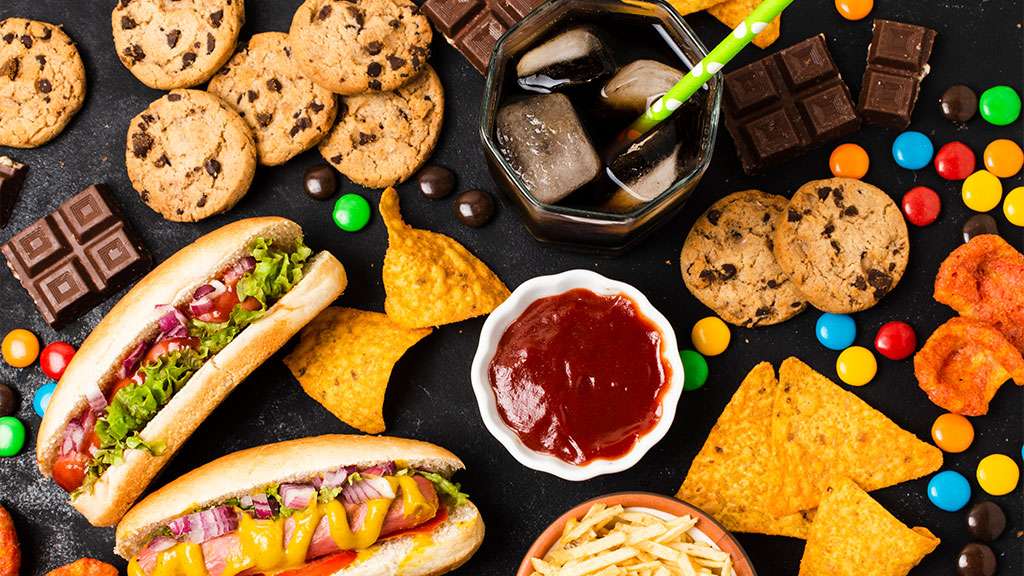
If you have a sweet tooth for sugary or processed foods, you might want to change that, especially during menopause. They’re the biggest culprits in causing blood sugar spikes, which in turn lead to weight gain and energy crashes. Plus, processed foods and sugars can make inflammations and joint points worse. So, replace them with fresh, whole foods to keep things balanced and help you feel good.
Caffeine and Alcohol
While caffeine and alcohol might be staples of a busy workday or night out, they won’t do you any good during menopause. Since they’re one of the leading causes of dehydration, they can amplify symptoms such as hot flushes and sleep disturbances. Too much caffeine and alcohol can also leave your skin dry and feeling itchy. Swap them for a cup of herbal tea instead.
Refined Carbs
Foods such as white bread, pastries, and sugary cereals can lead to rapid blood sugar spikes and energy crashes. These changes can cause mood swings, fatigue, and weight gain to worsen. Replace them with whole-grain options, which are gentler on your body and will leave you feeling fuller for longer.
High Salt Foods
Foods with plenty of high salts that you should avoid include processed meats, crisps, and ready meals. They can easily cause water retention and bloating, which are discomforting, on top of other menopause symptoms. Excess salts can also affect your bone health by increasing the rate of calcium loss, which is a serious concern for menopausal women.
Conclusion
Navigating the symptoms that come with menopause can feel overwhelming, not to mention hot flashes, night sweats, dry skin, itchiness, and low bone density. However, a proper menopause diet plan containing nutrient-dense foods can make all the difference. Consider adding whole grains, leafy greens, and quality proteins to your diet and stay hydrated to manage menopause symptoms.
Every woman’s menopause journey is different, so working with a personalised plan can significantly improve your results in fighting menopausal symptoms. With the help of Nadira Awal, a menopause health expert and NHS GP from Pause & Co Healthcare, you can confidently navigate any stage of menopause with practical solutions. Book your appointment today and get personalised guidance in navigating menopause with confidence.