
In this article, we’re going to help you understand how to stop menopause hunger by following different proactive steps, such as maintaining a healthy diet, getting proper sleep, and performing regular exercise.
Why Causes Menopause Hunger?
Menopause hunger, like many other changes the body experiences during this time of life, is caused by an imbalance in hormone levels.
Science has tendered several reasons for menopause hunger by linking them with hormonal changes during the perimenopause and postmenopausal phases. Perimenopause refers to the time duration leading up to menopause while postmenopause refers to the time immediately afterwards.
Here are some of the reasons why menopause hunger occurs:
Decline in your body’s estrogen levels
Estrogen is the hormone that regulates the female reproductive system. It serves many other functions as well, one of which is controlling hunger levels in the body.
When your estrogen levels start to fall, it becomes harder for your body to effectively regulate the feeling of hunger. This causes an increase in appetite.
Increase in cortisol, the “stress hormone”
Due to the declining levels of estrogen, cortisol (which is known as the “stress hormone”) production is increased. This causes stress and anxiety, which often drives people to eat more than they need as a way of seeking comfort.
This effect can cause hunger during menopause.
Increase in ghrelin
Ghrelin is called the “hunger hormone.” It sends hunger signals to your brain when your body needs food. During menopause, this hormone’s levels increase, which causes you to feel hungry more often.
Changes in your body’s progesterone levels
Progesterone is a hormone that plays a major role in menstruation and pregnancy. However, one of its many other functions includes regulating hunger levels. The levels of progesterone typically rise during the premenstrual period. The same can happen during menopause. Increased progesterone levels can give you an increased appetite.
How to Control Menopause Hunger?
1. Make sure to eat enough protein

On top of being a vital nutrient for your body, protein also helps you feel full and satiated. Make sure to eat plenty of protein-rich foods so that you can give your body the nutrition it needs while also fighting off the hunger pangs.
Foods containing lean proteins, such as chicken, beef, salmon, etc., can be a great choice for women going through menopause. This is because these foods contain other healthy nutrients as well and they don’t cause weight gain.
2. Make sure to get plenty of fiber
Like protein, it is also important to get plenty of fiber in your diet. Fiber can help keep your bowel movement regular and healthy. It also helps in lowering your blood sugar levels and cholesterol levels, which is very beneficial for perimenopausal and postmenopausal women.
And like protein, fiber also helps in making you feel fuller, which can make you feel hungry less often.
3. Eat vegetables on the regular
Incorporating vegetables into your diet can help you reduce menopause hunger. Eating high-fiber and low-calorie vegetables, such as okra, lettuce, and broccoli, can help you stay full and satiated without overloading you with calories.
4. Drink plenty of water
Keeping your body properly hydrated has a ton of benefits. It helps in better digestion, makes your mind sharper, prevents kidney stones, etc. And on top of all that, it can also help you deal with menopause hunger.
A lot of times, people experiencing hunger pangs simply need a drink of water. Our body often mistakes its need for water for its need for more food. During menopause, this can be quite frequent due to the rising cortisol levels in the body (which can cause many people to have cravings for their comfort foods).
Whenever you feel unreasonably hungry during perimenopause and postmenopause, take a break and have a nice drink of water. Not only will your body get all the benefits of proper hydration, but you’ll also feel the hunger ebb away.
5. Eat healthy fats
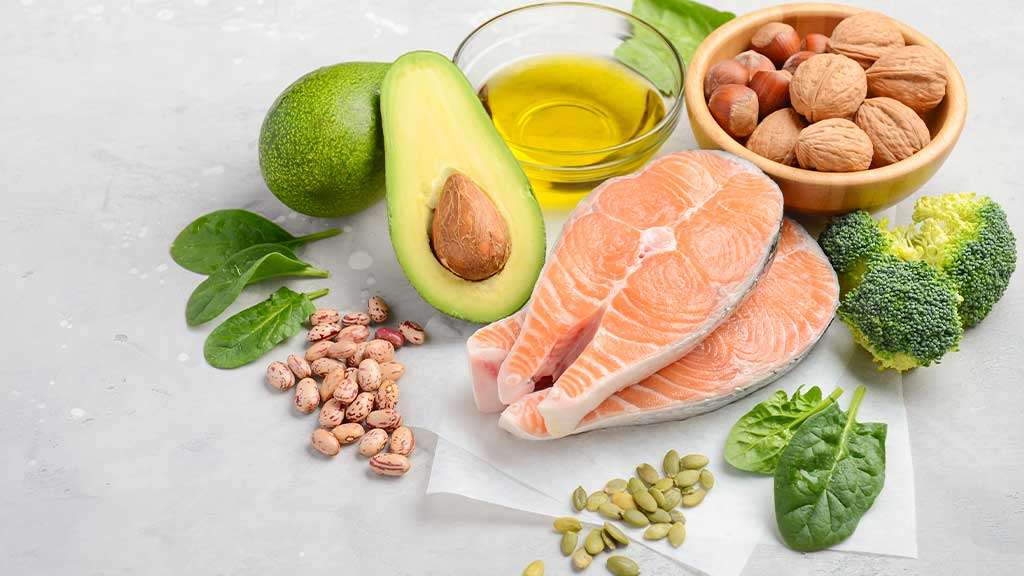
Fats are an important and integral part of your diet, but they have to be taken in the right form. Instead of eating junk food or unhealthy fast foods, you can try:
- Naturally oily fish, such as mackerel and salmon
- Avocadoes
- Nuts
- Eggs
- Chia seeds
These types of foods contain healthy fats that fulfill your body’s nutritional requirements without bringing about consequences such as weight gain or high cholesterol levels.
6. Exercise regularly
Exercise during menopause has many different benefits. It can help reduce menopause anxiety, reduce weight gain, and improve your mood. It can also help in managing your increased appetite.
When you exercise, your body releases endorphins, which help counter the effects of cortisol. You feel happier and less stressed. As a result, you don’t feel as many cravings for food, which can help you manage your hunger better.
7. Cut down on sugar
Consuming sugary foods can cause your blood sugar levels to rise and fall drastically, which in turn causes you to feel hungry more often. Maintaining a healthy amount of sugar is essential in reducing and stopping menopause hunger. To fulfil your sweet cravings, eat fruit instead of store-bought snacks and desserts.
8. Get proper sleep
By getting proper sleep, you can help your body regulate the levels of ghrelin and leptin. Ghrelin, as mentioned earlier, is the hormone that sends hunger signals to your brain. On the other hand, leptin is the hormone that signals satiety and fullness so that your brain can tell you to stop eating.
Ghrelin levels can increase due to sleep deprivation. Leptin, on the other hand, decreases when you don’t get proper sleep. This can cause you to feel hungry more frequently and even when you eat enough food.
Conclusion
In the article above, we have provided you with all the information you need on how to stop menopause hunger. Managing your body’s stress levels and eating the right nutrients is key to managing the increase in appetite that occurs during this time.