
Countless women desperately want to know how to reach orgasm after menopause. The end of a woman’s reproductive life can trigger negative sexual changes. For instance, some women may stop having orgasms after reaching menopause. Others may still have them but they may no longer be as physically intense and pleasurable as before.
If you have lost the orgasms you used to have before menopause, there is still hope. First, you should understand how menopause alters the female body. After that, follow simple methods to revamp your menopausal and postmenopausal libido. Here is a comprehensive guide with the answers you seek.
How to reach Orgasm After Menopause
Many women do not know where their orgasms went after reaching menopause. Although they may never be as intense and pleasurable as in your 20s, you can get them back. Some people even ask this: can you squirt after menopause?
Squirting after menopause depends on your mental involvement in the act and the absence of discomfort and pain. How to reach orgasm after menopause and squirt entails the following:
1. Lubrication
Menopause causes the vaginal tract to lose its hydration and thickness. During foreplay, your private part cannot lubricate itself the way it used to before menopause. Hence, sexual intercourse can cause vaginal irritation and pain.
You can solve this problem with lubrication. There are two options for menopausal women: lubricants and moisturizers. Lubricants appear in different forms, including:
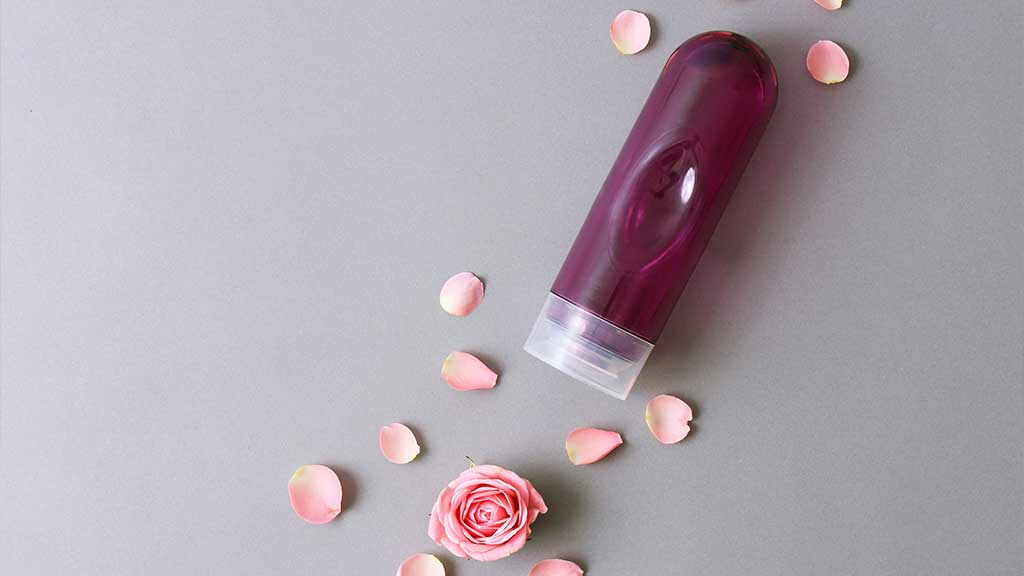
- Silicon-based – These are waterproof and long-lasting. Do not use silicon-based lubes with silicon sex toys.
- Water-based – If you want to reduce vaginal irritation even further, use water-based lubricants with a condom, diaphragm, silicon or latex sex toys, etc.
- Natural – These are the natural extra-virgin oils in your kitchen cabinet. From extra-virgin olive oil to coconut oil to avocado oil, your options are endless. However, do not use natural oils with a latex condom or diaphragm. They will damage these contraceptives and make them ineffective in preventing pregnancy or venereal diseases.
- Oil-based – Do you plan to use latex condoms? If yes, you should not use an oil-based lubricant like mineral oil, or petroleum jelly. Also, avoid using a diaphragm with an oil-based lubricant. Besides damaging these contraceptives, an oil-based lube can increase your odds of developing a UTI.
- Moisturizers- The general rule is to apply a vaginal moisturizer two to three times every week to lubricate the private area. A vaginal moisturizer is available on the internet or at your local pharmaceutical store.
2. Vibrate your Private Part
How to reach orgasm after menopause also entails massaging your clitoris with a toy. Arousal is difficult during menopause because of reduced blood flow to the clitoral area. Still, you can increase your odds of achieving an orgasm by vibrating this pleasurable part with a toy.
Your partner can help you reach orgasm with a vibrator toy or you can help yourself. However, choose a user-friendly item to avoid harming your genitals.
3. Strengthen Your Pelvic Floor with Kegels
How to reach organs after menopause also includes strengthening your pelvic floor muscles. A cost-free way to do this is to perform kegel exercises at home. Do these exercises as you did them after having natural baby births. If you need guidance, watch online videos or read blogs that explain how to do kegel exercises correctly.
These can strengthen this group of muscles, which will amplify your orgasms. Another advantage of doing kegel exercises at home is that you can solve urine incontinence. The emotional benefits of stopping your urine from leaking and satisfying your partner in bed may increase your odds of having orgasms.
4. Talk With Each Other
Men may not have the capacity to understand what menopause feels like. However, reasonable ones will be open to discussing how menopause has changed your sexual lives. They might want to know how to arouse you sexually after menopause.

Perhaps you would respond more to physical touch than penetrative sex. Talk to your partner openly about your new realities, such as having vaginal dryness, atrophy, and pain during intercourse.
Express your fears and hopes and let him do the same. Make amendments to your sexual lives as a couple. How to reach orgasm after menopause should be a goal for two rather than one person.
5. Visit Your Gyna for Hormone Therapy
Getting pregnant is no longer your fear after menopause. Nevertheless, both of you should strengthen your love bond with intimacy. If menopause symptoms get so intense, you may fail to satisfy your spouse even if you would love to.
Menopause symptoms should go away after estrogen levels drop. However, these symptoms may prolong in some women, causing them discomfort during intercourse. Lastly, on how to reach orgasm after menopause, you should consider hormone therapy. The doctor can apply estrogen directly to the vaginal tract to reduce dryness and pain during intercourse.
It appears as a cream, pill, ring, or an insert like a suppository. The systematic form of estrogen rejuvenates the entire body, alleviating most menopause systems. Sex after menopause becomes easier after that, ensuring that you get orgasms and gratification.
How Menopause Alters the Female Body
How to reach orgasm after menopause can challenge any female. The first step in solving it is to understand how menopause changes your body. Menopause leads to a drop in reproductive two hormones: estrogen and progesterone.
Reduced hormone levels cause physical and mental changes in the body. In return, these changes affect your response to penetrative vaginal intercourse and your ability to climax. Here are the physical changes that make sexual intercourse harder after menopause:

1. Vaginal Dryness
If you want to know how to reach orgasm after menopause, you must understand and eliminate vaginal dryness first. While vaginal dryness can affect younger women, it is more common in those experiencing menopause.
The dryness worsens as estrogen levels decrease. As the vaginal tissue dries out, it also becomes thinner and loses its elasticity. Hence, it is in danger of bruises and irritation during sexual intercourse. Most women can avoid engaging in intimacy due to the aftereffects.
2. Vaginal Atrophy
Another physical change that occurs during menopause is vaginal atrophy. How to reach orgasm after menopause entails finding ways to solve atrophy. It occurs when your vaginal tract loses its thickness and elasticity. Thinness and inelasticity make it prone to lacerations during intercourse.
Vaginal atrophy is so prevalent that it affects approximately fifty percent of menopausal women. It is more difficult to achieve arousal and orgasms when your private part is too thin, dry, and inflexible. Additionally, vaginal atrophy will sometimes lead to bleeding after intercourse. If you notice vaginal bleeding after intimacy, call your gynecologist to book an appointment.
After seeing them, they will check if you have a cervical problem which might be triggering vaginal bleeding after intercourse.
With less lubrication in your genitals, it is almost impossible to achieve arousal. Without arousal, you can barely reach orgasm during penetrative intercourse. Sometimes, the discomfort is too much that it leads to vaginal bleeding.
3. Painful Sexual Intercourse
Addressing pain during sexual intercourse is vital if you want to know how to reach orgasm after menopause. Some reliable studies found that pain during sex affects twenty-nine percent of menopausal women.
If there is a fear of pain, responding to foreplay will be difficult. The less pronounced response to sexual arousal will make it impossible to reach orgasm. Generally, arousal enhances the flow of the blood to the clitoral hood and vagina. After menopause, this arousal becomes many times weaker as less blood reaches the clitoris.
Without adequate arousal, your private area will be less sensitive to physical touch. Penetrative intercourse will be painful due to atrophy and dryness. So, it might lead to little or no pleasure. Painful sex after menopause may also happen because of vaginismus.
This medical phrase describes vaginal spasms that may emerge abruptly and make intercourse painful and difficult. If a woman cannot satisfy her partner due to the fear of vaginal pain, she may develop emotional stress. This stress can further reduce her ability to orgasm.
4. Low Libido
How to reach orgasm after menopause also entails analyzing your libido. Have you lost your urge to have sexual intercourse? If yes, you are among millions of women facing this problem during and after menopause. Research shows that forty to fifty-five percent of menopausal women experience low sex drive.
The reason for this could be that sexual intercourse triggers irritation and pain and women want to avoid that. Above all, decreasing estrogen and testosterone levels can lower your libido.
5. Weak Pelvic Floor Muscles
When experts explain how to reach orgasm after menopause, they often mention weakened pelvic floor muscles. These are muscles that render support to your uterus, bladder, and rectum.
This muscle group is crucial during sexual intercourse, as it ensures pleasurable contractions during orgasms. Menopause causes your pelvic floor muscles to lose their strength, making your orgasms harder to feel.
6. Bladder incontinence and Infections
How to reach orgasm after menopause can be hard due to urine incontinence. Most menopausal women experience urinary incontinence. This refers to leakage of urine when the bladder is full. This problem may occur due to weaker pelvic floor muscles. Another related problem is bladder infections such as UTIs (urinary tract infections).
These infections can trigger pain when urinating and cause more frequent urination. A menopausal woman is less likely to enjoy intercourse or reach orgasm if she has UTIs.
Conclusion
How to reach orgasm after menopause is easy if you understand what to do. Begin by discovering the changes that menopause introduces to your body. After comprehending your physical body changes, use the solutions recommended in this guide to relieve the pain and get orgasms. Consult your gynecologist if you need a medical solution such as hormonal therapy.