
What is Menopause Anxiety?
Menopause anxiety is defined as the feeling of intense and overwhelming unease that is experienced by many women during the menopausal transition.
Menopause occurs around the ages of 45 to 55. It marks the end of the reproductive period and is said to take place once a woman doesn’t experience a menstrual period for more than 12 months.
The transitional phase leading up to menopause, which is known as perimenopause, can take up to 7 years to complete. During perimenopause, the body undergoes different types of hormonal changes. Women often experience physical discomfort in the form of nausea and back pain. They also experience various types of emotional symptoms, such as mood swings, irritability, and anxiety.
Menopause Anxiety is Common and Natural
It is important to remember that menopause anxiety is quite common and occurs naturally as a result of hormonal shifts in the body. It can be treated and reduced by various steps and measures, which we will discuss further in this post.
According to the National Library of Medicine, menopause anxiety is experienced by 15% – 50% of all postmenopausal and perimenopausal women.
As to the question “How long does menopause anxiety last?” you can learn about it in detail by scrolling down.
What Does It Feel Like to Have Menopause Anxiety? Symptoms and Indications
Emotional Symptoms
Menopause anxiety is described as causing:
- Unease
- Fear
- Restlessness
- Irritability
Physical Symptoms
It can also cause various physical symptoms; ones that are associated with anxiety disorders in general, such as:
- Heart palpitations
- Headaches
- Fast breathing
- Sweating
- Fatigue
How Long Does Menopause Anxiety Last?
The duration of menopause anxiety varies from person to person. Some women may experience it only for a few months while others may experience it for several years.
On average, however, menopause anxiety usually lasts for 7 to 10 years.
Menopause anxiety can start during the perimenopause phase and continue even during the postmenopausal period. It is usually more intense and heightened during perimenopause.
What Causes Menopause Anxiety? The Biological Explanation
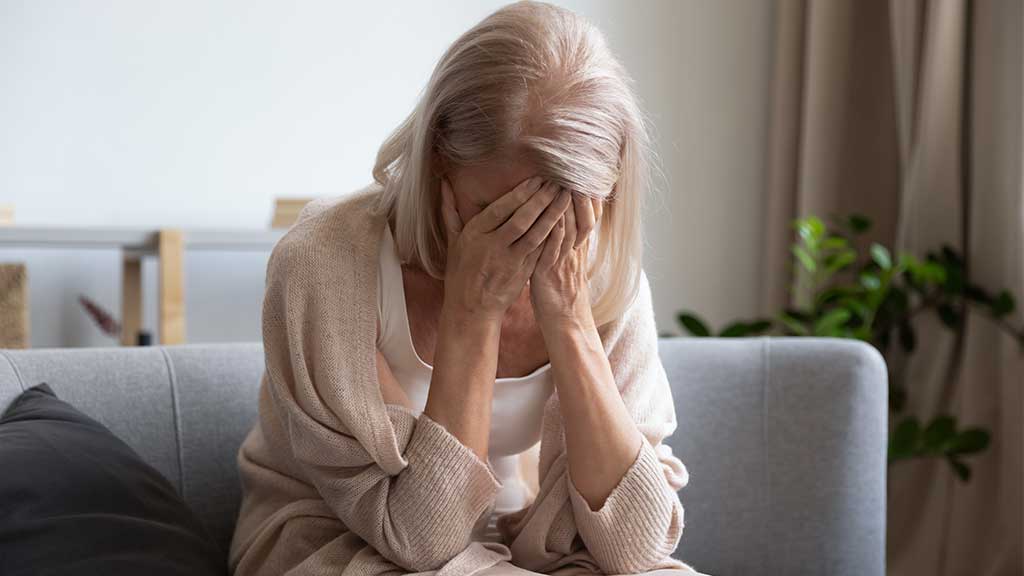
The main biological cause of menopause anxiety is hormonal change.
Menopause occurs as a result of declining estrogen levels. Estrogen is the hormone that is responsible for developing and regulating the female reproductive system. It is also responsible for managing the levels of cortisol and serotonin in the body.
Cortisol is known as the “stress hormone.” Higher cortisol levels lead to stress, which causes anxiety. When the levels of estrogen in your body start declining, cortisol increases.
Serotonin, on the other hand, is known as the “happy hormone.” Healthy serotonin levels keep your mood happy and cheery, while lower levels can induce depression and anxiety.
Estrogen plays a role in increasing the serotonin levels in our bodies along with the number of serotonin receptors in our brains. When the levels of estrogen start declining, it is not able to perform this function as well as before.
The combined effect of these two hormones can create menopause anxiety.
What Can You Do to Reduce Menopause Anxiety?
There are different steps that you can take to reduce menopause anxiety. The first thing to do is to get a proper understanding of how this anxiety occurs and why it happens. If you have come this far in this article, you have already completed this first step.
The most beneficial way of reducing menopause anxiety is to bring healthy changes to your lifestyle that can help lower your stress levels. For example,
Ensuring a proper, regular sleeping pattern
The amount of sleep we get has a massive impact on our cortisol levels. Not only should you focus on getting 6 to 8 hours of sleep a day, but you should also focus on maintaining a regular sleeping pattern.
Irregular sleeping patterns can disrupt your body’s circadian rhythm, causing it to release higher levels of cortisol.

On the other hand, if you sleep regularly during the night time around 9 to 10 PM and wake up in the mornings around 7 to 8 AM, your body’s circadian rhythm will stay regulated and so will your cortisol levels. This will help reduce menopause anxiety.
Exercise on a regular basis
Regular exercise can also help with menopause anxiety. When you exercise, your body releases endorphins. Endorphins are described as the “body’s painkillers,” because they help reduce physical pain and increase the feeling of well-being. They can counteract the effects of high cortisol and make you feel relaxed.
As a further benefit, exercise also makes you feel tired, which can help you get proper sleep at night.
Eating healthy, nutritious meals daily
Having vitamin deficiencies can also cause stress and anxiety, even when you’re not in perimenopause. During the transition phase, however, it can exacerbate the already rising levels of cortisol and increase the feelings of unease and dread.
It is important to eat healthy, nutritious meals containing proper B vitamins, vitamin D, magnesium, and protein. All of these nutrients help manage stress levels.
Wrapping Up
The answer to the main question of “how long does menopause anxiety last?”, is around 7 to 10 years on average. For some women, this time period can be much shorter and simply span a few months.
Menopause anxiety can cause you to feel unease, fear, and restlessness. It can also cause physical discomfort and symptoms, such as nausea, sweating, etc.
Although dealing with this anxiety can be challenging, you should remember that it is a common and natural experience. You should take steps and measures to reduce it but beyond that, there is no cause for alarm.
If the emotional and physical symptoms start becoming overwhelming, reach out to a healthcare professional. There is always support available for you and you don’t have to deal with the anxiety alone.