
Here is a crucial question to ask as you get older: can you go through menopause while on the pill? Women who can bear children often stay on the pill until after menopause. Unfortunately, the pill can cover the symptoms of menopause with its side effects.
You might reach menopause and not notice it because of the birth control pill. This detailed article explains how menopause occurs in females who take birth control pills. How can you tell your body is experiencing menopause while taking the birth control pill?
Should you stop taking the birth control pill, and if so, when is that? Read on to have all your answers.
What is Menopause? Introducing Key Terms Associated with it
Menopause is a crucial stage in every woman’s reproductive life. It marks the end of her child-bearing age. Four of the most popular signs of menopause are:
- Hot flashes – These cause you to feel hot across your face and upper body. They can last longer than a few minutes. Hot flashes can happen at night (called night sweats), causing insomnia and fatigue.
- Insomnia – Some menopausal women feel so uncomfortable that they cannot drift into slumber. Others cannot stay asleep for too long.
- Vaginal Dryness – Estrogen levels continue dropping as you approach menopause. This drop will cause vaginal changes, including dryness and thinning of walls. For that reason, women in menopause often feel pain during intercourse. Dryness affects the urethra, triggering urinary tract infections.
- No Period for at least a Year – Women over fifty years will know they have reached menopause if their menstruation fails to come for twelve consecutive months or longer. Before we answer this question in depth, here are the main terminologies to understand:
Perimenopause
Menopause has a phase called perimenopause. During perimenopause, a woman’s menstrual flow begins to change gradually. She may have her period earlier than expected or miss it for one or two consecutive months.
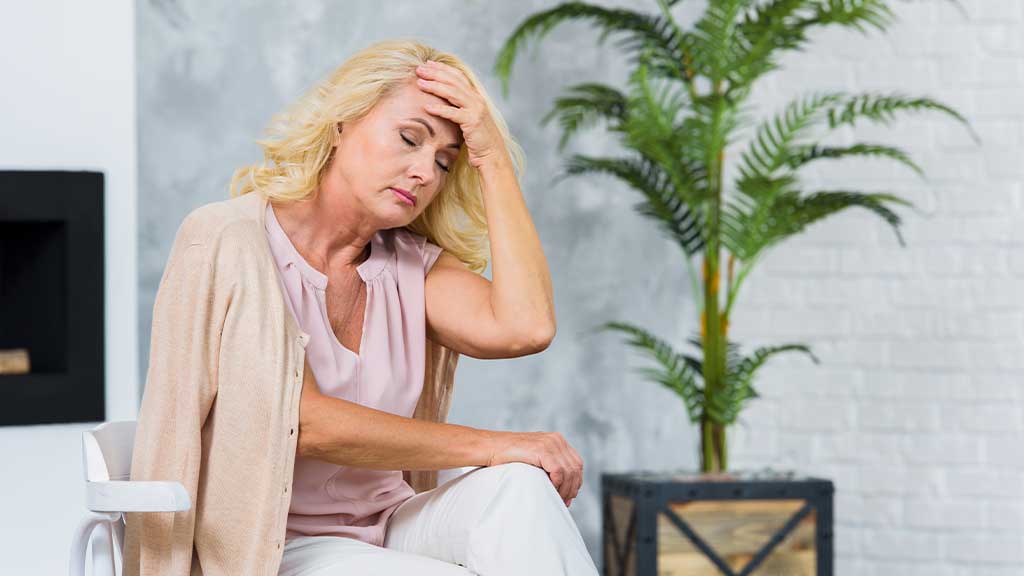
Additionally, a woman may be perimenopausal for about four years before having her very last period. Like menopause, she may experience these symptoms:
- Hot flashes
- Night sweats
- Sleeplessness
- Fatigue
- Anxiety
- Depression symptoms
- Mood swings
- Libido changes
- Irregular periods.
Perimenopause leads to irregular bleeding, as birth control pills do. Hence, you can assume your irregular bleeding is due to the pill rather than menopause. When experiencing perimenopause, your ovaries will cease to release as many eggs as before.
For this reason, your ovulation cycles can get erratic. Another observation is that your body will reduce the production of reproductive hormones: progesterone and estrogen. As estrogen levels go down, your body will display menopause symptoms.
Early Menopause
Some sources state that menopause in most women begins at the age of 45 years and ends by 55 years. If menopause comes at the age of below 45 years, yours is called early menopause.
Premature Menopause
A few women see menopause symptoms before they turn forty years old. The condition is known as premature menopause and it is alarming. See a doctor at once if you have this problem.
Postmenopause
Menopause occurs when your monthly periods stop for twelve months and you are over fifty years. On average, women reach menopause at the age of fifty-two years.
If you are below fifty years old and have not seen your menstruation for twenty-four months in a row, you may have reached menopause. Postmenopause describes a phase that follows menopause. If you confirm your menopause has come, you no longer need to be on the birth control pill because you can no longer get pregnant.
Birth Control Pills Benefits
Birth control pills are some of the most preferred contraceptives. Apart from preventing unplanned pregnancies, these pills offer the following benefits:
- Regularize menstrual cycles
- Decrease monthly bleeding, preventing anemia due to iron deficiency
- It can alleviate your period cramps
- Pills can lower your odds of having some reproductive cancers, such as endometrial and ovarian.
- After the pills regulate your hormones, your acne might disappear.
- No hot flashes and insomnia.
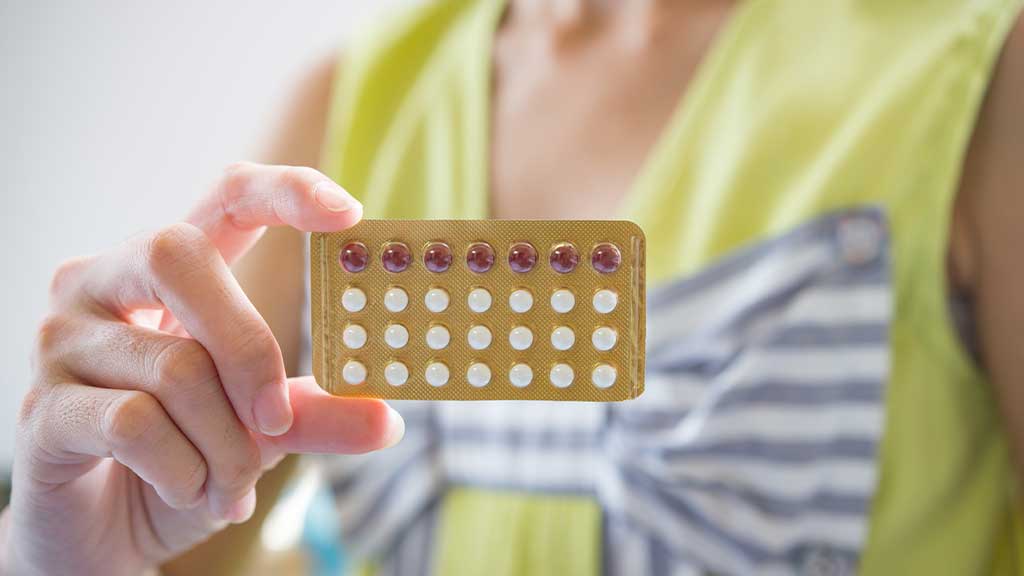
Birth control pills have their risks, though. They might increase your odds of having blood clots, stroke, breast cancer, and heart issues if you are over 35 years old. If you have had blood clots and are premenopausal, try the progesterone-only pill rather than the combined pill. The same case applies to you if you have a heart disease, hypertension, diabetes, or cancer that depends on estrogen levels.
Can you go Through Menopause While on the Pill?
Most women in a committed relationship will be on the pill during the perimenopause phase. The phrase itself has menopause-like symptoms, as earlier noted. When you start taking birth control pills, they may produce some side effects.
These side effects are often similar to perimenopause symptoms. As a result, you may think you have the pill’s side effects while your body is undergoing menopause. You can be menopausal without knowing because the pill masks some signs of perimenopause. But does the pill type matter? Find out next.
Types of Birth Control Pills and Effects on Menopause
Women can take either combination of birth control pills or progestin-only pills. The combination pill has progesterone and estrogen. Progesterone-only, often called minipills, consists of only the progesterone hormone.
Any of the two pills can make your menstrual cycles longer, shorter, irregular, lighter, etc. Some ladies spot instead of having a normal bleed while on any of these contraceptives.
Comparing Birth Control Pills and Menopause Effects
How does birth control affect menopause? Can you go through menopause while on the pill? You need to understand how the pill’s side effects can intersect with menopause signs. The table below demonstrates the relationship between the two:
| Effect or Symptom | Appears In |
| Irregular menstrual cycles such as missed or early periods. | Menopause and birth control pills |
| Irregular menstrual flow, including spotting, a light or heavy flow, etc | Menopause and birth control pills |
| Nausea, vomiting, diarrhea, constipation, stomach cramps, and bloating. | Birth control pills |
| Hot Flashes or night sweats when they occur during sleep. | Menopause |
| Bladder infections or Bladder incontinence | Menopause |
| Mood swings | Birth control pills and Menopause |
| Vaginal discharge with or without irritation | Birth control pills |
| Enlarged breasts or tenderness | Birth Control Pills |
| Vaginal dryness, thinning vaginal walls, painful intercourse, etc | Menopause |
| Higher or lower libido | Menopause and birth control pills |
| Appetite and weight changes | Menopause and birth control pills |
| Swelling of gums | Pills |
| Darkened patches on the skin, acne, strange hair growth | Pills |
| Insomnia and fatigue | Menopause |
Can you go through menopause while on the pill? Based on the menopause and birth control comparison above, you can undergo menopause while thinking you are suffering the pill’s side effects. There are other effects and symptoms to compare. Thus, talk to your gynecologist to understand how the pill’s side effects and menopause symptoms can overlap.
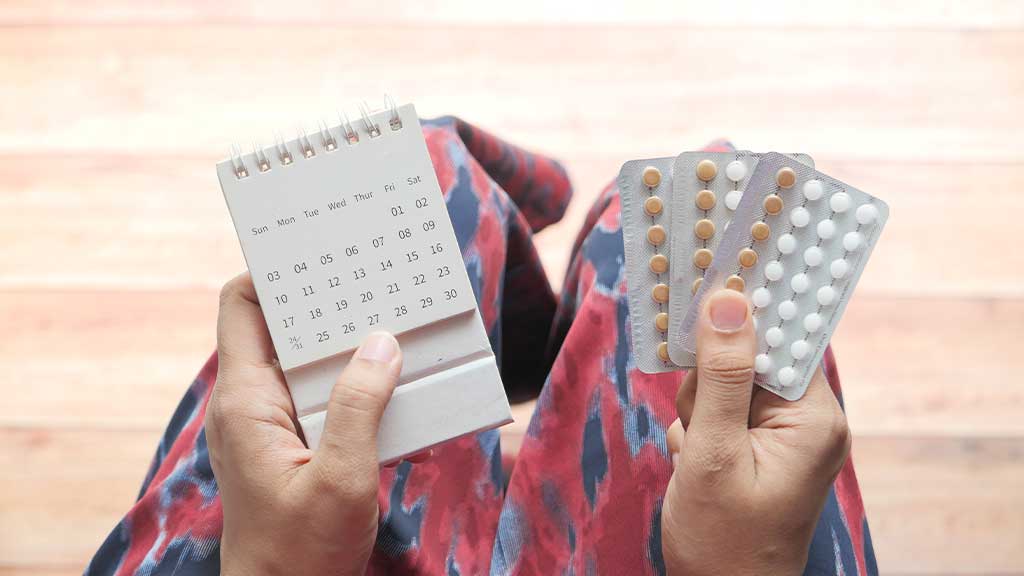
Signs of Early Menopause While on the Pill
Birth control pills will not change the body’s timing for menopause. If your body wants to stop bleeding before you turn 45 years old, the pill will not change that. Instead, the birth control pill may mask the symptoms of early menopause. The explanation is the same.
Some of the side effects of the pill can collide with the symptoms of early menopause. The body cannot detect the decline in progesterone and estrogen levels when you are on the birth control pill. As a result, you might not notice the above signs of early menopause. They may be there but you cannot see them because the pill has similar side effects.
Discontinue Birth Control Pills to Track Menopause
It is impossible to know you have menopause as you take your birth control pills. If you are within the common age for menopause, go off the pill to track your menopause symptoms without interference. If you stop taking the pill and the symptoms continue, it could be that you are transitioning to menopause.
Should you have doubts, consult your doctor at once. Explain your reasons for getting off the pill. The doctor can determine if you should continue or stop taking the birth control pills. If they want you to continue, they might have you follow a new hormonal therapy.
Menopause Testing and Treatments
Can you go through menopause while on the pill and can they test your hormones medically? Doctors can test your follicle-stimulating hormone or FSH. It can show if a female is on her way to menopause.
FSH testing entails a blood test that measures the levels of the hormone. However, the test works best in women below forty-five years old because their FSH levels do not fluctuate. If a woman is on the combined pill, the FSH test cannot reveal if she is still ovulating.
However, ladies over fifty years taking progesterone-only pills can benefit from taking this test. If you stop taking the birth control pill for 2 to 3 months, you should wait for menstruation. You are not menopausal yet if your period keeps coming.
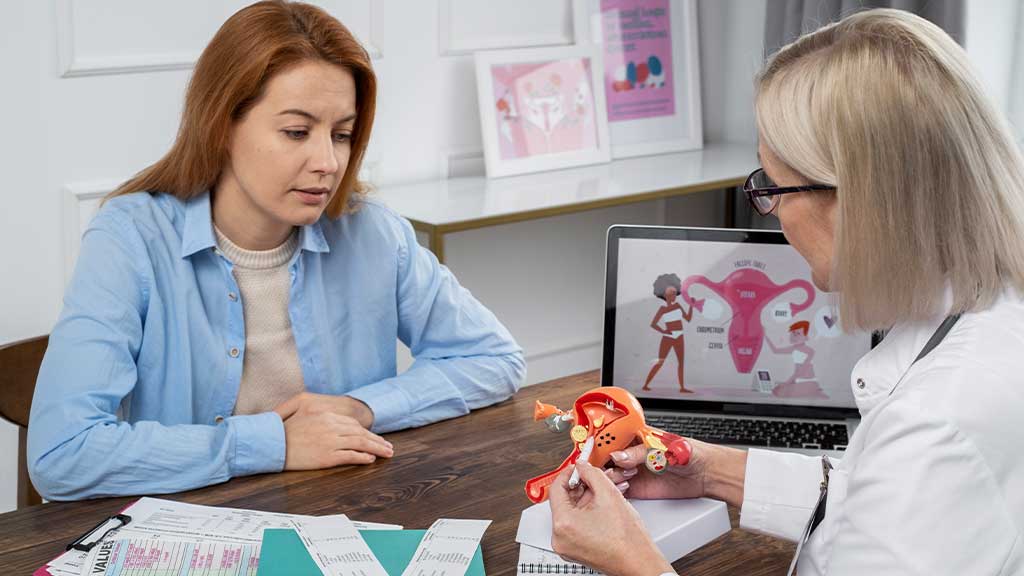
Can you go through menopause while on the pill and can you get pregnant? Even if your fertility reduces during perimenopause, it does not mean you are immune to pregnancy. Thus, use a condom when you stop taking your pill to prevent unwanted pregnancies and venereal diseases.
Does birth control help with menopause? A menopausal woman can use HRT (hormone replacement therapy) to treat her menopause symptoms. HRT entails taking synthetic forms of estrogen and progesterone to trick the body into believing it still undergoes a menstrual cycle.
Final Word
Can you go through menopause while on the pill? The answer is yes, as you have noted already. The birth control pill can mask the symptoms of perimenopause and menopause without changing its timing. If you want to differentiate the side effects of the pill and menopause symptoms, your option is one.
Stop taking the pills for two to three months and see if your menstrual bleeding will continue. If you notice hot flashes, mood swings, night sweats, and vaginal changes also, you are in menopause.