
Menopause can be a confusing phase for some women as they experience hormonal changes and their bodies react in different ways. One of these unexpected changes that you’re likely to encounter is intensified body odour. How to treat menopause body odour requires you to understand what causes it and identify the triggers so you can avoid them or take countermeasures to reduce the concern.
An increased body odour can happen at any stage of menopause, though you’re more likely to start noticing it during perimenopause. In this comprehensive post, we’ll discuss everything you need to know about this symptom, including how to deal with it so you can increase your comfort levels.
What Causes Menopause Body Odour?
Apocrine glands found in the face, breasts, armpits, and between the legs release a type of sweat with proteins, fats, sugars, and ammonia, known to have a pungent smell. Bacteria feed on these elements in the sweat to produce body odour. The following factors can also affect the amount of sweat your body produces and the smell.
1. Hormonal Fluctuations
What’s the relation between menopause and body odour? Several years before entering menopause, your body experiences fluctuations in oestrogen levels and goes to its lowest 12 months after your last menstrual cycle. When oestrogen plummets, this means your testosterone levels increase. Normally, women have fewer amounts of testosterone hormones than men, but when they undergo menopause, it appears to be higher when compared to dropping levels of oestrogen.
This “increase” in testosterone hormone causes the body to attract even more bacteria and as a result an increased body odour. Testosterone is associated with the release of a substance known as androstenol, which often has a musky scent.
2. Hot Flushes
Nearly 80% of women have hot flushes during perimenopause and menopause. These sudden uncomfortable heat sensations can also lead to more sweating both during the day and night. When oestrogen levels drop, several changes take place, including the blood vessels becoming less elastic.
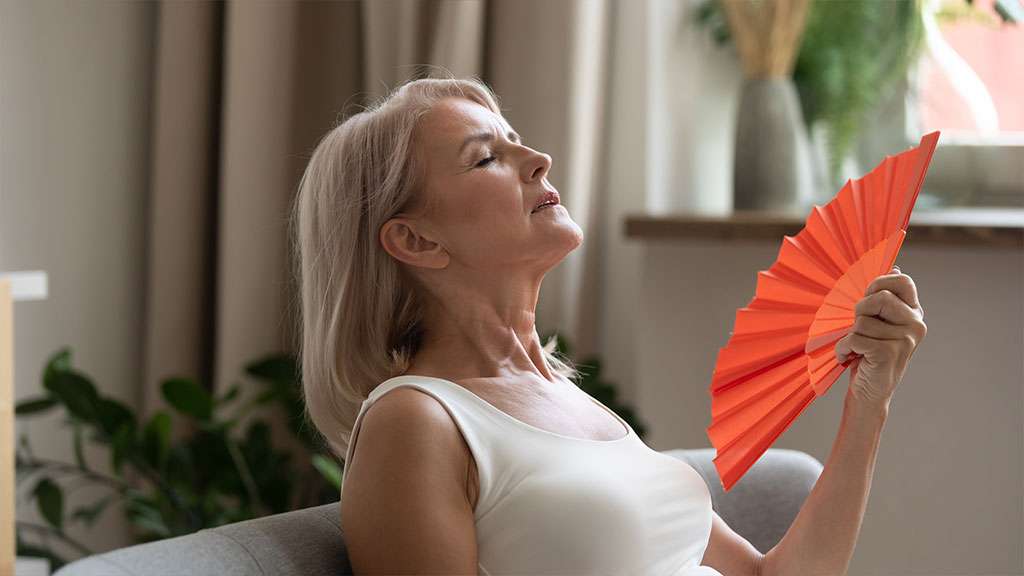
This constriction causes a reduction in the amount of heat the body can dissipate, and this is what causes hot flushes and night sweats to intensify. With more sweating, an increased number of bacteria present in the sweat causes body odour to increase.
3. Stress and Anxiety
It’s not uncommon for a menopausal woman to feel anxious and stressed, and this can also lead to more sweating. In a 2013 statistical analysis, it was determined that up to 25% of women in menopause have anxiety. For those who have more severe symptoms of menopause, the anxiety level was even higher.
“Sweat from stress comes from the apocrine glands and harbour more fats and proteins than sweat from other glands like eccrine,” says Nadira Awal, NHS GP and menopause health specialist at Pause and Co. Healthcare. So, if you become more stressed and anxious in your menopause, expect increased body odour than what you normally have.
4. Medication and Lifestyle Factors
Before we jump into how to treat menopause body odour, you also need to know that your lifestyle and medications can also turn up the funk. Medications like hormone therapies and antidepressants can change the composition of your sweat and make your body odour easier to notice.
As for lifestyle factors, the biggest culprits are always alcohol and smoking. Add heavily spiced foods to the equation and the body odour worsens. These habits not only affect how you sweat, but can also change how it smells.
5. Changes to Your Sense of Smell
Changes in your oestrogen levels can come with other unexpected body changes, including your ability to perceive smells. For some women, they can be more sensitive to smell while for others, it’s the opposite. If your sense of smell increases, you’ll notice that you’re becoming more aware of your own scent, even when it’s not intensified yet. Change of sense of smell is a sneaky little side effect that gets overlooked in most cases but is surprisingly common.
How to Treat Menopause Body Odour
While menopausal body odour can be daunting, there are several ways to manage it and increase your comfort level. These methods either make the smell weaker or reduce sweating. We’ll look at a wide range of solutions, from lifestyle tweaks to medical interventions through hormone therapy.
Prioritise Hygiene
Once you hit menopause, you’ll have to figure out a new routine of maintaining hygiene because the approach you’re used to might not work so well. Even if you’re not used to it, you may have to shower a number of times a day or immediately after a workout or exertion, so the odour doesn’t linger. Additionally, if your schedule allows it, you might want to have a quick rinse after having hot flashes.
Use a pH-balanced soap for your daily showers to thoroughly clean any sweat-prone areas.
Choose Breathable Clothing
For an extra layer of freshness after a bath or shower, wear breathable fabrics like bamboo, linen, or cotton to reduce the build-up of sweat. Tight-fitting clothes aren’t your best mate in this stage of life, as they trap heat and moisture to create a conducive space for bacteria to thrive. Loose fabric will help you stay cool and is also comfortable when hot flushes strike.
Maintain a Balanced Diet
Another effective tip on how to treat menopause body odour is to change what you eat to include a balanced diet. Foods with high amounts of garlic, spices, or processed foods can worsen menopausal body odour. But if you include vegetables, fresh fruits, whole grains, and lean proteins in your diet, you can keep the odour-causing toxins at bay and help your body stay balanced.
More importantly, stay hydrated, since water plays an important role in flushing out impurities and toxins that contribute to bad body odour. Just remember, a healthy insider often translates to a fresher outside—both your skin and nose will thank you!
Use Effective Products
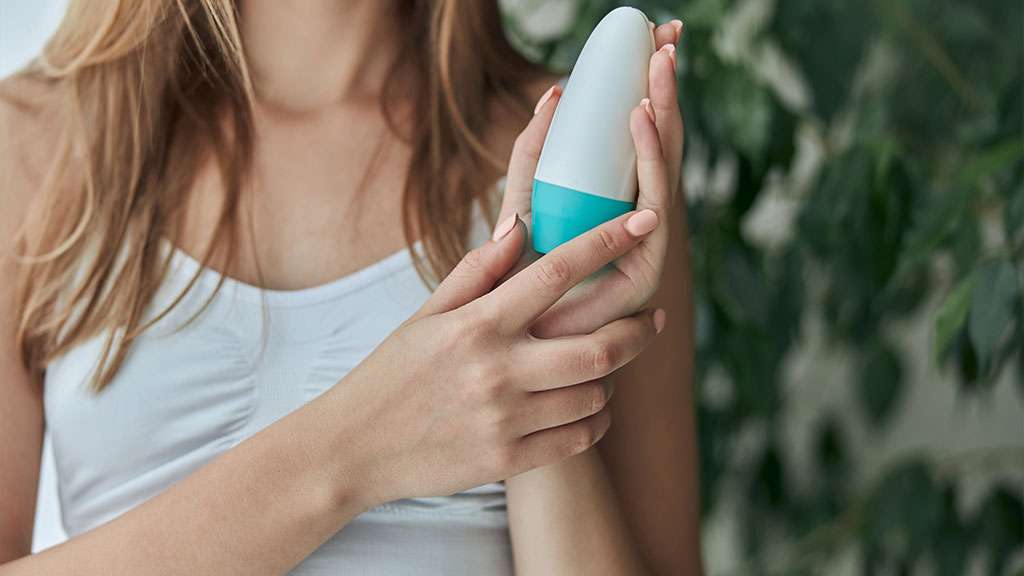
Deodorants can significantly help you keep unpleasant body smells at bay. However, not all deodorants are suitable. Antiperspirants are great at reducing sweating and the bacteria that cause body odour, but some only cover the odour with perfume. So, other than just going for an antiperspirant, ensure the deodorant also has antibacterial properties to reduce the activities of odour-causing bacteria.
In case sweating and body odour are too intense, your doctor might recommend stronger antiperspirants that block the sweat glands. The doctor will also explain how best to use these antiperspirants to reduce irritation that they can cause sometimes.
Practice Stress Management
If you have higher levels of anxiety, your apocrine glands can increase the release of sweat that attracts odour-causing bacteria. Mindfulness practices such as yoga, controlled breathing, and meditation can help you reduce anxiety. These tactics can also help you lower the stress hormone cortisol.
In addition to stress management practices, you can take a daily supplement of Ashwagandha, a traditional Ayurvedic medicine, to boost the circulation of oestrogen and reduce cortisol and anxiety. Magnesium can also help control how your body responds to stress. Just like Ashwagandha, it can reduce the cortisol hormone and lower menopausal anxiety.
Adopt Hormone-Friendly Practices
What causes menopause body odour revolves around fluctuating oestrogen and other hormones like cortisol. So, to maintain a balanced stance, you may go for hormone-friendly practices like eating foods rich in phytoestrogens, such as flaxseeds and soy. Exercising regularly can also help balance your hormone levels to improve your overall well-being.
If your symptoms become more severe, you may also consider hormone replacement therapy (HRT) with the help of a qualified NHS GP. Maintaining consistency with these practices can significantly reduce hormonal spikes and dips that cause excessive sweating and changes in body odour.
Consult a Doctor If Needed
Other than the changes that you go through during menopause, body odour can also come from certain medical conditions, such as kidney disease, liver disease, and diabetes. It can also be from using certain medications like antidepressants. If you’re already under a prescribed medication, don’t stop without consulting your doctor.
NHS GP Nadira Awal recommends consulting a doctor if you feel the body odour is getting out of hand and is affecting your confidence. Also, if you notice there’s a unique change in the smell, or you start sweating more than usual, see your doctor.
Conclusion
Sweating and having a body odour are all natural processes that every human experiences. However, when a woman enters menopause, the hormonal fluctuations she experiences, along with other changes, can worsen them. Menopausal symptoms like hot flashes, anxiety, and stress can trigger the apocrine sweat glands to produce sweat with unpleasant smells. So, when looking for how to treat menopause body odour, it’s important to understand all these causes and make changes where necessary to reduce the intensity.
While following the recommendations given here to reduce excessive sweating and body odour, it’s also good to seek professional advice from a qualified NHS GP. You can receive personalised recommendations that are more effective in reducing menopausal body odour. Book your appointment today at Pause & Co. Healthcare and get professional empathetic advice on managing your menopause symptoms to live more comfortably.