
Have you been looking for how to lose menopause weight but every trick you use doesn’t yield results? Menopause is a woman’s major midlife milestone that comes with hot flashes, mood swings, and, for many, the stubborn mystery of weight gain. If you’ve noticed that you’ve added some pounds, especially around your midsection, you’re among the 50% of women experiencing the same in the UK. Hormonal changes, slowed metabolism, and sometimes stress, can all gang up to make your journey of weight loss feel like an uphill climb.
Don’t worry, though. We’re here to help you learn about practical, science-backed ways to manage your menopause weight.
When Does Menopause Weight Gain Start?
The first step to losing weight during menopause is to understand how and when it starts. For most women, the shift starts during perimenopause, the transitional phase leading up to menopause, which can begin as early as your late 30s or early 40s. During this time, your oestrogen hormone level starts dropping while your metabolism slows down. And when metabolism is affected, that’s when those extra pounds start to add up.
By the time menopause officially kicks in, typically around age 51 for most women in the UK, the body’s fat distribution has likely shifted. Your body no longer stores fats in the usual places like thighs and hips. Instead, it starts depositing them in your abdomen region to create love handles. That’s why you might notice your waistband feeling snug, even if your diet and exercise habits haven’t changed much.
What Causes Menopause Weight Gain?
Perhaps you might be wondering what causes this shift in fat deposits in the abdomen. In other words, what causes menopause weight gain? The biggest culprit is a combination of hormonal changes (oestrogen decline), muscle loss, natural effects of ageing, and lifestyle factors like lack of sleep and stress.
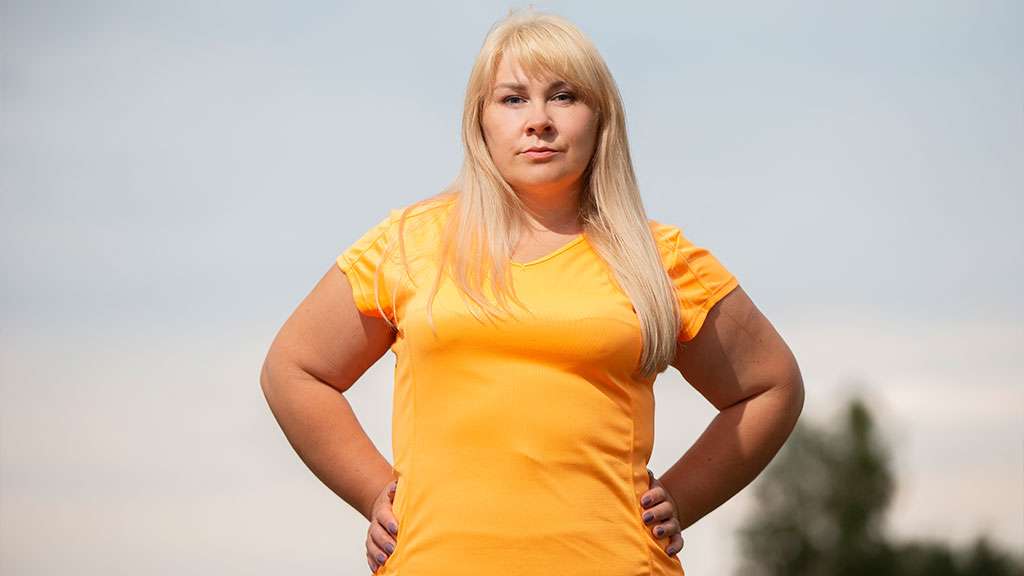
First up, hormones. As you approach menopause, oestrogen levels drop significantly. Oestrogen plays a role in regulating body fat distribution, and when its levels plummet, fat tends to settle in your midsection instead of hips and thighs. It’s nature’s way of shaking things up, but it’s not particularly kind, is it?
Next, there’s the metabolism factor. As we age, muscle mass declines—a process charmingly called sarcopenia. Since muscle burns more calories than fat, losing muscle slows your metabolism, making it easier to gain weight, even if you’re eating the same as before.
Let’s not forget lifestyle shifts. Menopause can bring sleep disturbances, thanks to hot flushes and night sweats, and poor sleep is linked to weight gain. Add stress into the mix—whether from work, family, or just the daily grind, and cortisol levels rise, which encourages your body to store fat, particularly around your belly.
Now that you understand these causes, next, we jump into how to lose menopause weight. Remember, the journey of losing menopause weight isn’t about fighting your body but finding ways to work with it.
How to Lose Menopause Weight in 5 Ways
The weight gained from non-menopause causes is somewhat different from menopause because the former is often distributed evenly. Menopause weight, on the other hand, concentrates around the abdomen, making it harder to shed it. But you can take charge during this transition with the following methods:
1. Adopt a Balanced Diet
When it comes to losing menopause weight, what you eat matters as much as how much you eat. With a balanced diet, you can keep those pesky pounds at bay while promoting your overall health. Start with whole, unprocessed foods—think fresh fruits, veggies, whole grains, lean proteins, and healthy fats. These not only provide essential nutrients but also help you feel fuller for longer. High-fibre foods, like oats and lentils, are your best mates here, as they regulate blood sugar and keep cravings in check.
Keep an eye on portion sizes too. While you might be tempted to cut calories drastically, it’s better to focus on eating enough of the right stuff rather than depriving yourself. Skipping meals or going on extreme diets will only slow your metabolism further, which is exactly what you don’t want.

Lastly, limit processed sugars and refined carbs. Yes, those biscuits and crisps are comforting, but they’re not doing your waistline or your mood any favours. Balance is key, not perfection, so don’t stress over the occasional treat!
2. Increase Physical Activity
Increasing your physical activity is not only good for your heart health—it’s also great for managing your menopause weight. Through regular physical activity, you can burn high amounts of calories, maintain your muscle mass, and enhance your metabolism.
Combine cardio exercises like walking, cycling, or swimming with strength training to build muscle and improve bone health. Maintaining good bone health is vital because menopause also causes the bones to be less dense. Each week, aim for at least 150 minutes of moderate physical activity.
If you feel you don’t have the energy to work out, just start small. Take the stairs, go for brisk walks, or try simple home workouts. Remember, consistency beats intensity, so just keep moving, it will all add up.
3. Improve Sleep Quality
Lack of quality sleep can wreak havoc on your hormones and likely lead to increased weight during menopause. When you have restless nights, your hunger-regulating hormones, ghrelin and leptin, are disrupted, making it harder for you to resist cravings.
Try your best to get at least 7 hours of quality sleep every night. Create a relaxing bedtime routine: dim the lights, avoid screens, and sip on calming herbal tea. Keep your bedroom cool and comfortable for better rest. Sometimes hot flushes and night sweats can keep you up for hours. To counter them, use breathable bedding or cooling aids.
4. Be Consistent
Are you not getting adorable results from the “how to lose menopause weight” tricks you’ve tried so far? Could the problem be the lack of consistency? Crash diets and erratic workout routines might promise quick fixes, but they rarely deliver lasting results. Rather, shift your focus to creating a sustainable routine that you can follow over time.
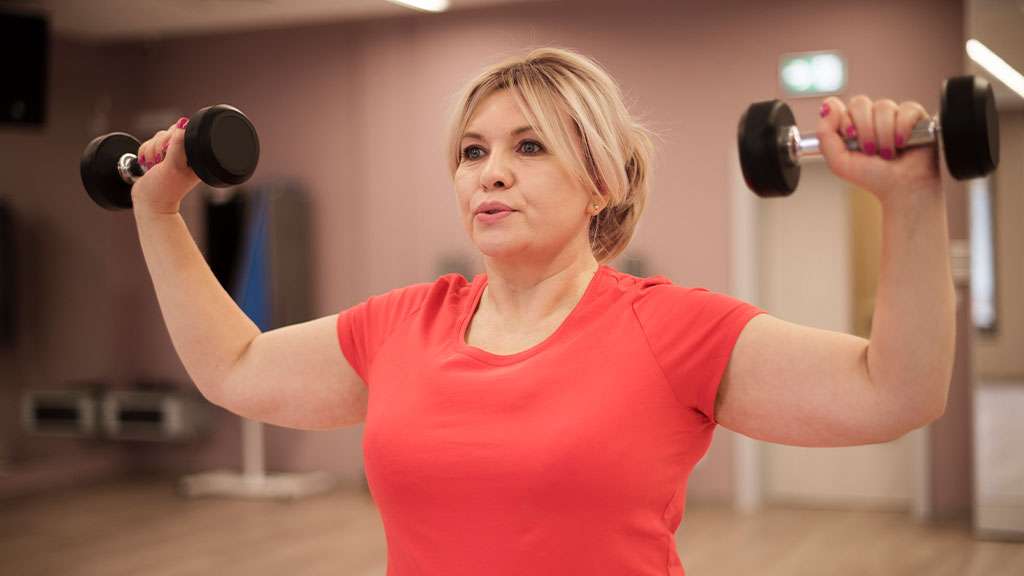
More importantly, your goals need to be realistic and broken into simple, manageable steps. For example, replace sugary snacks with fruits, take a 20-minute brisk walk every day, and gradually increase your water intake. Making these small changes and sticking with them can unlock a new achievement in your weight loss journey.
5. Consider Professional Guidance
Sometimes, a little expert advice can go a long way. If menopause weight feels particularly stubborn, reaching out to a healthcare professional or dietitian might be the game-changer you need. A professional can help you identify and understand the unique needs of your body and tailor a weight loss plan that works best for you.
Nadira Awal, the founder of Pause & Co. Healthcare has been offering professional guidance to menopausal women about effective ways to manage their weight during this transition. Some of our recommendations such as personalized meal plans, exercises, as well as hormone therapy (if appropriate) offer a targeted approach to achieve your goals.
Plus, having someone guide you ensures you’re always on the right track, which also helps you avoid fads and quick fixes that might cause more harm than good. If all the methods of losing weight during menopause don’t work, a pro’s perspective could be the boost you need.
Risk factors of menopause weight gain?
Gaining weight during menopause doesn’t just happen in isolation; several risk factors increase your chances of packing on those extra pounds. Here are the most common ones:
- Hormonal Changes: Oestrogen hormone is also responsible for how your body distributes fats. So, when its levels plummet, it causes the extra fats to settle around your abdomen. In addition, the fluctuations of oestrogen and progesterone can slow down your metabolism to make your weight loss journey more challenging.
- Sleep Disruptions: hot flashes, night sweats, and even stress can disrupt your sleep patterns. When you don’t get enough quality sleep, you’re at a higher risk of gaining weight because the hormones that regulate appetite are also affected. This can lead to increased cravings and overeating.
- Lifestyle Factors: Sedentary habits and poor dietary choices can significantly result in menopause weight gain. You can accumulate more pounds quickly if you rely on quick, processed foods and skipping workouts.
- Genetics: If your family has had a history of gaining weight during menopause, it could be in your genetics. That means you’re also at a higher chance of experiencing the same challenges.
Recognising these risk factors can help a great deal in understanding how to lose menopause weight. Even though some like genetics are beyond your control, making informed choices and lifestyle adjustments can help you lessen the other risk factors.
Can Hormone Therapy Prevent Weight Gain?
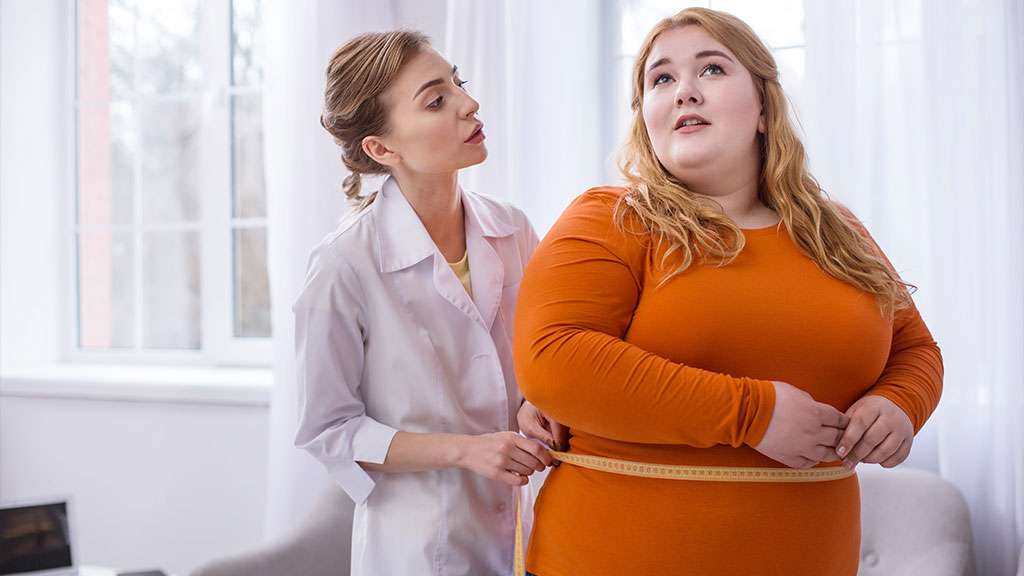
Hormone replacement therapy (HRT) is often considered an ideal solution when looking for ways to manage menopausal symptoms like hot flashes. But is it also effective in managing weight? Or does it lead to weight gain? Well, research shows that it’s not universally correct that HRT causes weight gain. So, the question is, can hormone therapy prevent weight gain?
Hormone therapy doesn’t give a guaranteed fix for adding extra pounds. But it can improve your energy levels and sleep quality, which are important in maintaining an active lifestyle. Before considering HRT as a remedy for menopause symptoms, consult your doctor or menopause expert to discuss whether it’s suitable for your specific needs.
Conclusion
How to lose menopause weight is a process that comes with its own set of challenges. But the key to success is in understanding the changes your body goes through so you can implement adequate adjustments to your routine; diet, exercise, and lifestyle habits.
Also, remember that there’s no one-size-fits-all approach because every woman’s menopause experience is different. What matters is to find a solution that works specifically for your needs. This too, might not be something you can figure out by yourself. But with the help of a menopause expert, it can feel a little easier to tackle the challenges of weight loss during this transition. Book an appointment with Pause & Co. Healthcare founder, Nadira Awal today, and get personalised professional help to manage your menopause weight and symptoms.