
Introduction
What are post menopause symptoms? When a woman reaches menopause, she may wonder what phase her reproductive system will enter next. Postmenopause is the consequent phase. Like menopause, postmenopause has an early and a late stage.
While its symptoms are not as uncomfortable as those of menopause, postmenopause can trigger health challenges. If you are experiencing perimenopause or menopause, take the time to understand various postmenopause symptoms.
This article has in-depth information about postmenopause. You will discover the symptoms that most women see and know when they subside. Moreover, you will learn how to treat postmenopausal symptoms and health complications.
What is postmenopause?
What are post menopause symptoms? Before tackling this question, let’s first define postmenopause. It is a stage in a menopausal woman’s life that begins twelve months after her last menstrual flow. Once one year passes without a single period, you will enter the perimenopause phase.
You may experience perimenopausal and menopausal symptoms during this phase but most of them will soon disappear. The annoying premenstrual syndrome will no longer disturb you. This is a new beginning without pregnancy scares.
Entering postmenopause makes you a different person. As estrogen levels decrease in your system, you might notice that your hot flashes are fading away or have disappeared. Nevertheless, postmenopause can be a traumatic season for some women.
Diseases that crop up due to the normal aging process can surface. Lower levels of estrogen in the body may cause painful and uncomfortable conditions. For instance, postmenopausal bleeding can be an indicator of a severe health issue within your reproductive system because your period should not return.
Estrogen plays a crucial role in a female’s body health, let alone her reproductive system. Once its levels reduce, some postmenopausal women develop life-threatening conditions like cardiovascular problems, osteoporosis (bone loss), urinary tract infections, and bladder malfunctions.
What are the symptoms of postmenopause?

If your body is undergoing menopause, you will enter the postmenopause phase one year after your final period. You should understand postmenopause to transition into it when the time comes easily. Ensure you can answer this: what are post menopause symptoms? Here are the main postmenopause symptoms:
Vaginal dryness – Although most menopause symptoms will stop as you enter postmenopause, vaginal dryness, and other signs might remain. Vaginal dryness frequently stems from vaginal atrophy, which occurs when the vaginal walls get thinner. Vaginal atrophy affects forty to fifty-seven percent of women after reaching menopause. Only fifteen percent of females continue to experience it during perimenopause. The thinness of the vaginal walls triggers dryness, pain, itch, burning, spotting, bleeding, and a yellowish discharge. Vaginal dryness can make sexual intercourse painful and less desirable. Thus, vaginal dryness is among the answers to this: what are post menopause symptoms?
Hot flashes and night sweats – Countless women experience hot flashes when entering menopause. Hot flashes start during perimenopause and can continue through menopause and postmenopause stages. Hot flashes have no definite period in which they should end. Some women experience hot flashes for about six months, whereas others can live with them for two years or even a decade. Only a small percentage of postmenopausal women might live with hot flashes forever. Hot flashes can occur with night sweats, triggering severe discomfort and insomnia. They make your cheeks and ears feel hot, which can turn your skin red.
Depression – What are post menopause symptoms, and is depression among them? Females of reproductive age experience mood swings due to hormonal fluctuations. These can be severe during menopause and postmenopause because of a major drop in estrogen and progesterone levels. Most postmenopausal ladies have psychological issues like depression. It can be so severe that you can only feel better after taking anti-depressant drugs in low doses.

Decreased libido (sex drive) – What are post menopause symptoms concerning libido like? Postmenopausal ladies tend to experience low sexual libido because of dropping estrogen levels. Their vaginal tissues and bladder may change, triggering painful conditions that reduce sexual pleasure and mood. First, the vaginal walls become thinner (vaginal atrophy), triggering dryness, itchiness, burning, and pain. Another greater risk these women have is urinary tract infections. These can become so frequent that they can kill your mood of having sexual intercourse. Besides, the act itself can trigger bleeding and pain, causing some women to want to avoid it.
Insomnia – What are post menopause symptoms? Could insomnia be one of them? Most menopausal and postmenopausal women have sleep disturbances. These occur because of the discomfort from hot flashes and night sweats. Lack of sleep can also happen because of depression and related psychological effects. Moreover, postmenopause triggers urinary tract infections and urine incontinence. The latter gives you the urge to urinate, which can have you visiting the bathroom often during the night. That is why most women experience sleep disturbances during this phase. Low progesterone levels during postmenopause can trigger disturbed sleep. Progesterone sedates the body naturally and regulates your sleep cycles. If its levels decrease during postmenopause, you can experience sleep difficulties.
Dry skin –What are post menopause symptoms like on your skin? The skin appearance can change as women move from being menopausal to postmenopausal. Low estrogen levels can trigger skin dryness, which can make your wrinkles and fine lines more detectable. Postmenopausal women may experience more anxiety and low self-esteem due to involuntary issues like skin problems. This is the right time to improve your skincare routine, including eating a healthier diet and moisturizing your skin.
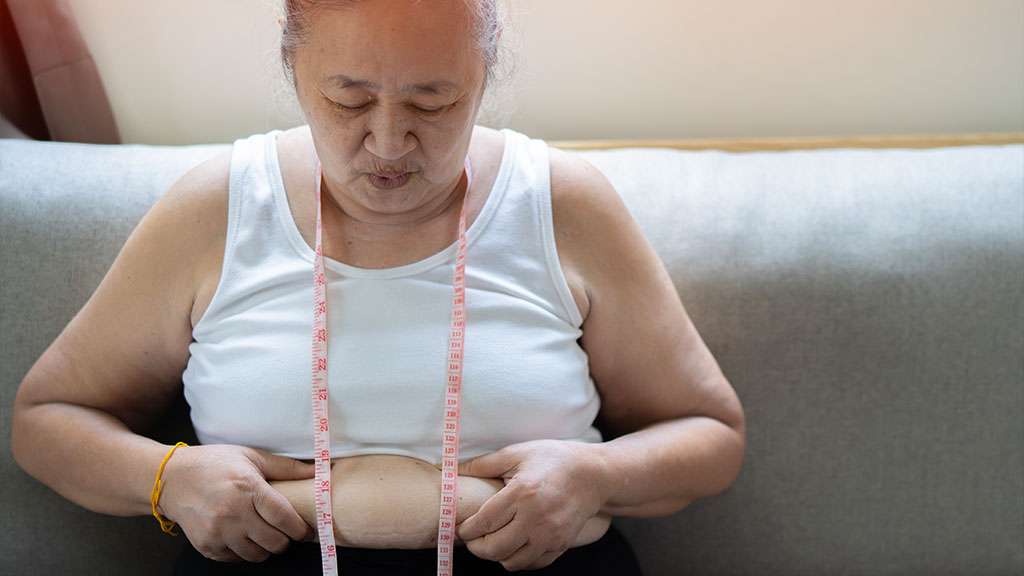
Weight changes – What are post menopause symptoms, and do they include weight gain? Menopause and postmenopause cause women to gain involuntary fat around the belly. It is as if your body fat shifts from your periphery to the stomach. Due to a higher proportion of visceral fat and high BMI, problems like insulin resistance, hypertension, cardiovascular disease, and dyslipidemia can emerge. When females in postmenopause gain excess weight, they may develop psychological issues like low self-esteem. Additionally, being obese can increase your risk for life-threatening diseases like osteoarthritis and some cancers. Also, it can lower your energy levels and affect your ability to stay productive at work, business, or home. Positive lifestyle changes are necessary during menopause and post-menopause as they can lower your odds of developing obesity.
Hair loss – Still asking this: what are post menopause symptoms? Hair loss is another relatively popular sign of postmenopause. Women lose hair involuntarily because of the declining estrogen levels. Estrogen hormone gives females all the beauty they enjoy in their best reproductive years. Once its levels start dropping, women can notice hair loss, skin dryness, weight gain, and other changes that can directly affect their self-esteem.
Urinary incontinence – Another potential urinary problem is incontinence, which occurs due to weakened pelvic muscles. It triggers strong urges to urinate, and then you mess yourself up (urge incontinence). You may laugh, cough, or pick up something and pass some urine. It is called stress incontinence. Urine incontinence may increase your UTIs.
Health complications in postmenopause
What are post menopause symptoms that affect your bodily health directly? One of these is the heart disease risk. An estrogen drop during postmenopause may raise your odds of having a cardiovascular or heart issue due to the redistribution of fat. Another risk a postmenopausal woman is prone to is osteoporosis.
This condition results in bone loss, which causes bones to become weak and brittle. Women need more calcium in their diets to minimize their risk of developing osteoporosis. Ensure you raise your calcium levels in meals during perimenopause. Other possible health complications that occur due to declining estrogen levels are urinary tract infections and bladder leakages.
If you leak urine involuntarily or feel pain when urinating, it can affect other areas of your life, including libido. Reduced estrogen levels can lower your metabolic rate, causing your body to raise its fat deposits. If you lead a sedentary lifestyle, you can become overweight and develop obesity-related diseases like hypertension, diabetes, etc.
Insulin resistance syndrome (metabolic syndrome) is a postmenopausal health complication with severe side effects. It can lead to dyslipidemia, more abdominal weight, insulin resistance, high blood pressure, etc. What are post menopause symptoms I need to see a doctor for? Call him if you feel sick.
How do you Deal with Symptoms of Postmenopause?
Now you can answer this: what are post menopause symptoms? Next, you should know your treatment options when experiencing postmenopausal symptoms. You can try medical solutions and alternative therapies for menopause. Your gynecologist might suggest Hormonal Replacement Therapy (HRT) to increase your estrogen levels.
HRT can alleviate night sweats, hot flashes, and vaginal dryness. Without these symptoms, you can sleep more at night and feel less depressed. Another major benefit is that it can protect you from osteoporosis. A dire side effect of HRT is higher odds of developing uterine cancer, DVT (deep vein thrombosis), stroke, and heart disease.
This can happen if you take an estrogen-only rather than an estrogen-progestin HRT. Even combined therapy with both hormones can increase your risk of similar issues. So, talk to your doctor to understand the risks and benefits of HRT and its suitability given your situation. They will consider your age and the degree of risk that hormone therapy might pose.
Apart from HRT, you can apply vaginal estrogen to your genitals to reduce itching, burning, pain, and other sensations. Alternative medicine also provides effective solutions, including supplements like black cohosh and Ginseng. Above all, improve your diet and exercise to regulate weight.
Conclusion
What are post menopause symptoms? Postmenopause may trigger the same symptoms that menopause does. Vaginal dryness, skin dryness, weight gain, low sex drive, hot flashes, night sweats, urine incontinence, and hair loss are all postmenopause signs.
Postmenopause can lead to health complications, including heart disease, depression, stroke, hypertension, osteoporosis, obesity, and so on. If you are experiencing these symptoms and health complications, the best solution is to see your doctor.
They might suggest hormone replacement therapy if the risk is lower than the benefit. Look for supplements that can regulate postmenopause symptoms, eat a balanced diet daily, and exercise often.