
When menopause ends, a woman starts a new life phase called postmenopause. Her transition from menopause to postmenopause takes about twelve months.
During this period, she should not have a single menstrual flow. Once a woman’s period ceases, she will stay that way for the rest of her life. If you are about to start menopause, you probably wonder when it will end.
This article discusses the end of menopause. Read on to know the symptoms that will mark this end and how to deal with them.
Menopause – What is it?
What signals the end of menopause? Before enlightening you on this matter, let us first discuss menopause. In simple terms, menopause is the end of a woman’s menstrual cycle. Once the periods stop, you can no longer get pregnant even if you have unprotected intercourse.
Menopause is a hormonal process involving a decline of your reproductive hormones like estrogen. As estrogen drops, your body will experience many changes. These changes can tell you that you have reached menopause.
Besides, if you are a woman aged 45 to 55 years, you can transition into menopause anytime. The average age for menopause in the US is fifty-two years old. During this life phase, the following symptoms might weigh you down:
- Hot flashes
- Vaginal atrophy
- Vaginal dryness
- Pain during sexual intercourse
- Night sweats
- Insomnia
- Mood swings
- Urine leakage or incontinence
- Changes in libido
- Thinning of hair
- Skin issues like dryness and wrinkles
- Unintended weight gain
- Irregular menstrual flows
Females experience menopause differently, such that some witness most of the above symptoms. Additionally, these symptoms may be so overwhelming that some ladies seek medical help.
Since you will experience this phase of life uniquely, ensure you write down your symptoms. Once a symptom ends, mark it on the list. That way, you can give your gynecologist a reliable knowledge base when assessing your menopause complications.
What Signals the End of Menopause? – Discussing Postmenopause

Like menopause, postmenopause is a crucial part of any woman’s life. It is a new beginning for mature women who have endured menstrual periods for decades. Some end their menopause with a triumph while others become very ill.
The most obvious symptom is the end of your menstruation for one year or longer. If your period disappears for 12 months uninterruptedly, and you are over 50 years old, you have undergone menopause.
As your menstruation becomes history, your ovulation should also stop forever. Your ovaries should no longer release ovum every month, excluding you from the danger of getting pregnant. End of menopause symptoms are:
- The body starts adjusting to lower estrogen levels and feeling healthier.
- Menopause symptoms will begin to disappear, causing you to feel better.
- As your hormonal levels balance, you may no longer have night sweats and insomnia.
- Hot flashes and mood swings occur occasionally in most women. However, they may persist in others, making them sick for several months. If you are ill for a considerable period, your gynecologist might prescribe hormone replacement therapy.
- Memory loss and lethargy are common symptoms of menopause. Postmenopausal women might experience improved cognitive function and feel more energetic.
Signs of menopause might continue in most women even for a decade. Here are some of them:
- Painful Sex – Low estrogen levels lead to thinning and dryness of the vaginal tract. These are signs of vaginal atrophy, which makes your private part susceptible to irritation during sexual intercourse. Most menopausal and postmenopausal women dislike sex due to pain.
- Libido Changes – While perimenopausal women in their forties might have a higher or lower sex drive, those reaching the end of menopause almost always experience lower libido. The drastic hormone drop damages their interest in intimacy.
- Depression – Some women feel anxious and depressed. The sudden outburst of uncomfortable symptoms is enough to trigger depression or stress in some women.
- Sudden Weight Gain – At the end of menopause, you might notice involuntary weight gain. Loss of muscle mass during menopause causes women to look plumper than before.
- Bladder Control Issues and UTIs – Hormonal decline during menopause triggers bladder control problems and urinary tract infections in some women. Thus, some ladies leak urine involuntarily. That is also because lower estrogen levels make your pelvic muscles weak. This may lead to urine incontinence and loss of orgasms during sexual intercourse.
- Skin Issues – When estrogen levels are normal, most women in their forties have glowing skin. After entering menopause and postmenopause, your skin might get worse. Blemishes like wrinkles, age spots, and fine lines might suddenly become more visible.
Does Menopause Ever End?
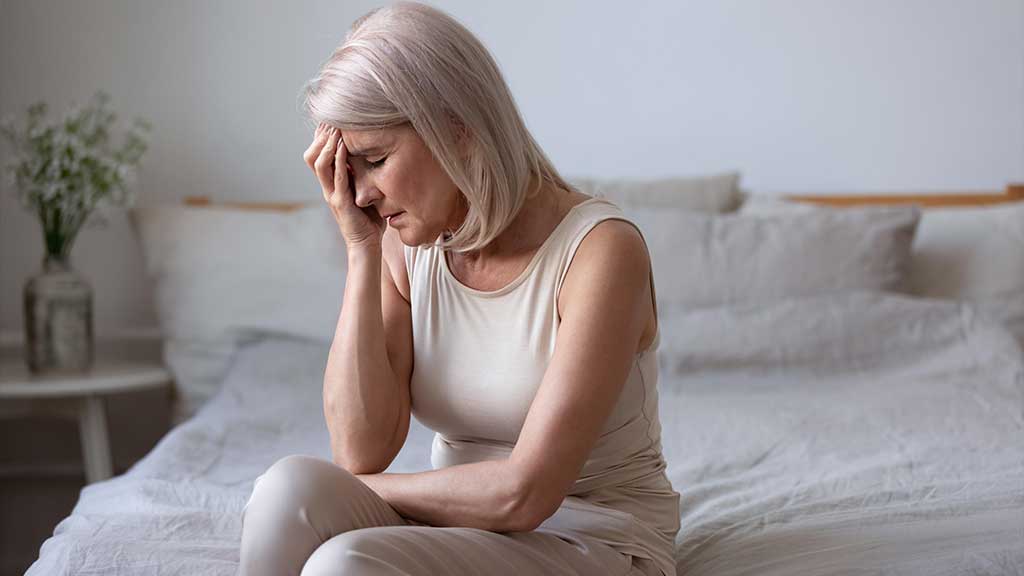
If you are in menopause and the symptoms are bad, you probably long for them to end. Menopause affects women differently, such that some stay longer with their symptoms.
If you notice your menopause symptoms getting milder, that is a sign of a good ending. Hot flashes tend to last longer or come back many years after menopause. As the female body adjusts to having lower estrogen levels, it can experience occasional hot flashes.
Generally, women should experience menopause for twelve or more months. The symptoms will be present but their severity will decrease over time. If your symptoms persist, consult your gynecologist.
Complications at the End of Menopause
What signals the end of menopause or postmenopause? Apart from lingering symptoms of menopause, postmenopause can be a torturous stage for some ladies. They may be unlucky to develop these health problems:
1. Osteoporosis
Some women experience osteoporosis after menopause. This condition causes the bones to lose their density and strength. You still lose bone density before reaching menopause. However, it occurs at a rapid rate after finalizing your menopause because of low estrogen levels.
Did you know that you will lose about one to two percent of bone density every year after menopause? That can help explain why postmenopausal women have higher odds of having osteoporosis. This condition can lead to abrupt bone fractures, as joints cannot bear your body weight.
You will require more calcium in your senior years than now. To discover your calcium levels at menopause, have your doctor do the bone densitometry test. If you have osteoporosis or are on the verge of developing it, the doctor will indicate. Prevention of osteoporosis is possible before reaching menopause.
Although you cannot entirely prevent it, you can try to include high-calcium food in your diet. These are yogurt, fortified cereals, cheese, eggs, milk, etc. Take multivitamin supplements containing calcium at higher levels. However, take calcium with a Vitamin D supplement to boost the calcium absorption rate in the body.
2. Cardiovascular Issues
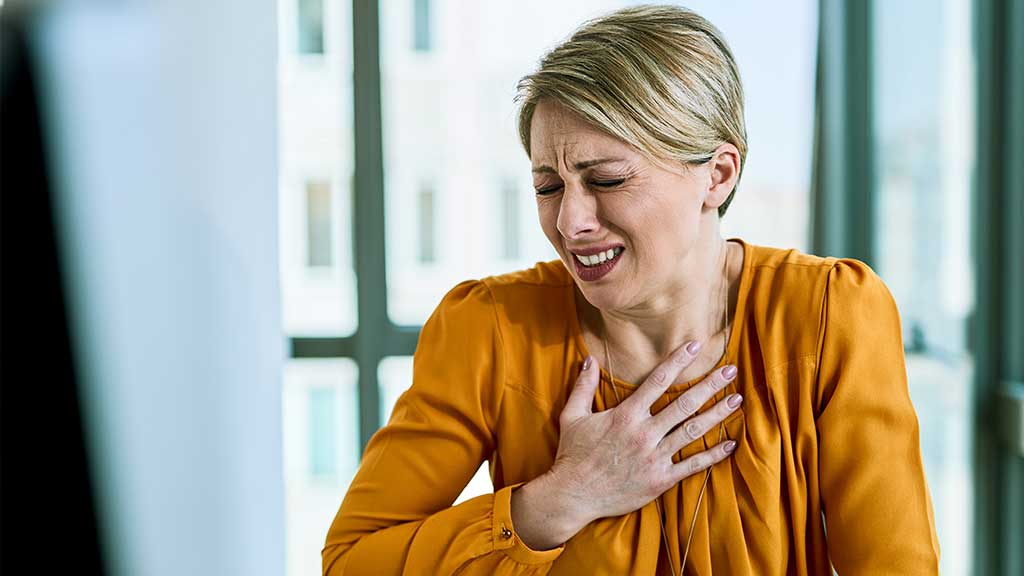
Some women develop heart issues for the first time during or after menopause. Again, the culprit is lower estrogen levels. It is also possible to have a heart attack or stroke. Developing these conditions is not mandatory after menopause, but your risk is higher.
One reason for this is that postmenopausal women lead a sedentary lifestyle. This slow lifestyle can increase their cholesterol levels and heighten their risk for hypertension. These are some of the top causes of cardiovascular problems. As your menopause stage approaches its final stage, you should improve your diet and lifestyle.
Eat healthier meals that won’t increase cholesterol levels or trigger high blood pressure. Change your lifestyle by going to the gym often or doing simple workouts at home. If you already have high blood pressure, diabetes, and high cholesterol levels, your doctor should help you choose a safe lifestyle after menopause.
3. Vaginal Atrophy
What signals the end of menopause physically? Vaginal atrophy is a physical change you will experience in your private area. Your vaginal tissue will lose its thickness and elasticity as your estrogen levels drop.
They will also dry, making it harder for you to gain sexual arousal and orgasm without a form of lubrication. Your doctor can help if vaginal atrophy becomes a severe complication after menopause.
Available Postmenopausal Tests and Treatments
What signals the end of menopause is not always easy to detect. Some women know they are menopausal but keep asking this: when does the menopause end? If your symptoms keep making you ill and this has gone on for more than twelve months, call your gynecologist.
They can tell if you are about to close your menopause phase based on the date you last bled. To confirm their diagnosis, they might do a blood test to check your follicle-stimulating hormone. Based on the blood test results, they might put you on a hormonal therapy treatment.

Hormone therapy can provide relief from postmenopausal symptoms. Nevertheless, it can increase your risk for breast cancer, stroke, or blood clots, especially if you have a history of any of these issues. Apart from HT, your doctor can prescribe vaginal lubes and creams, antidepressants, and gabapentin or oxybutynin for hot flashes.
What signals the end of menopause and what else should you do? Dealing with postmenopausal signs also entails doing your regular papsmear tests, mammograms, and pelvic checkups. Perform regular bone density tests to lower your risk of osteoporosis. If your sex life is alive, continue practicing it safely to prevent venereal diseases that damage your immune system.
Final Word
What signals the end of menopause? Most women will know they are about to stop being menopausal. Ceasing to get your monthly period for twelve months in a row is a major indicator. Secondly, some common menopause symptoms might linger for months or years.
However, their intensity will be lower and less uncomfortable. If your menopausal signs persist for several months, make an appointment with your doctor. They might run some medical tests on you to determine your eligibility for hormone therapy.